
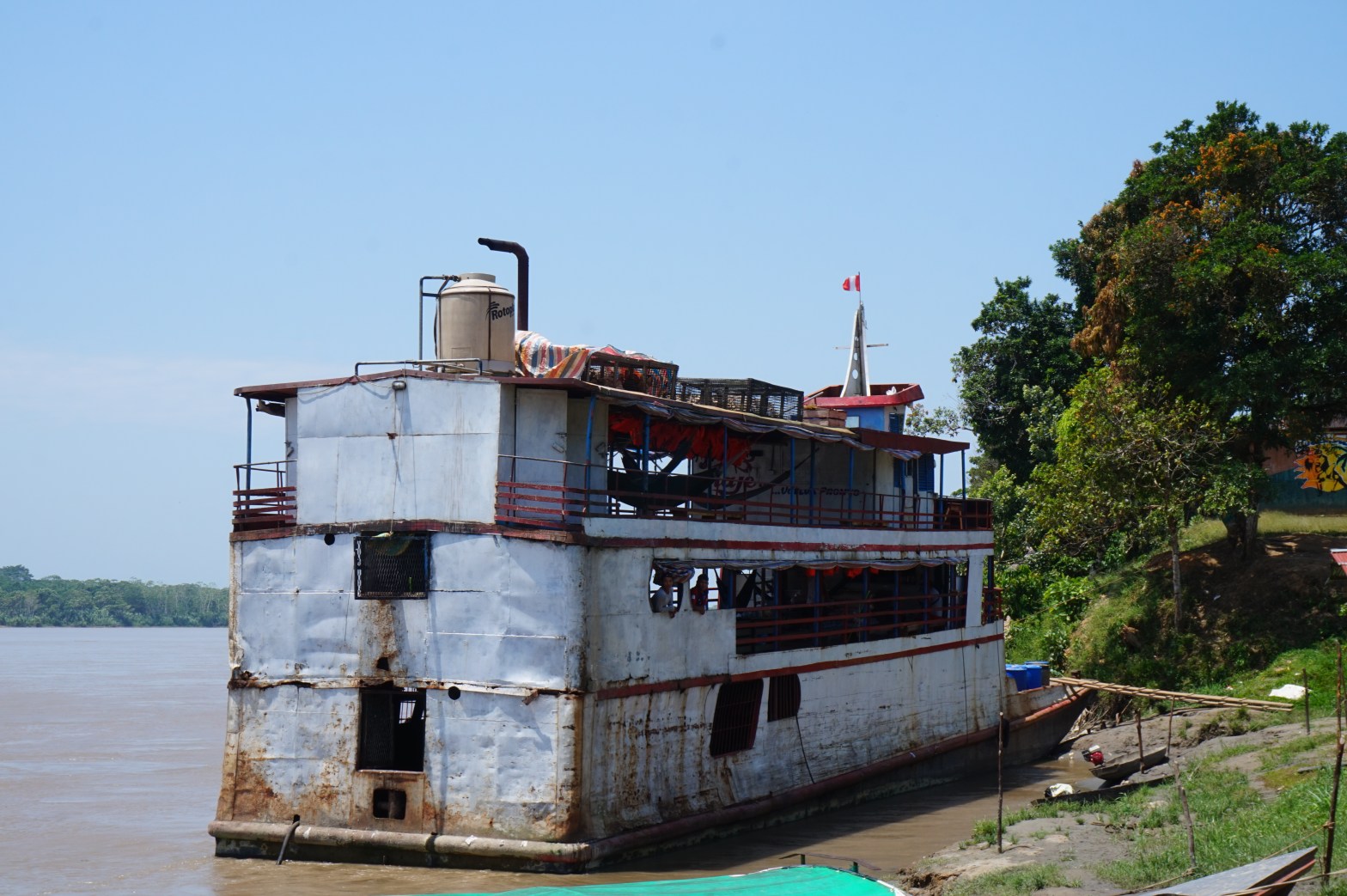
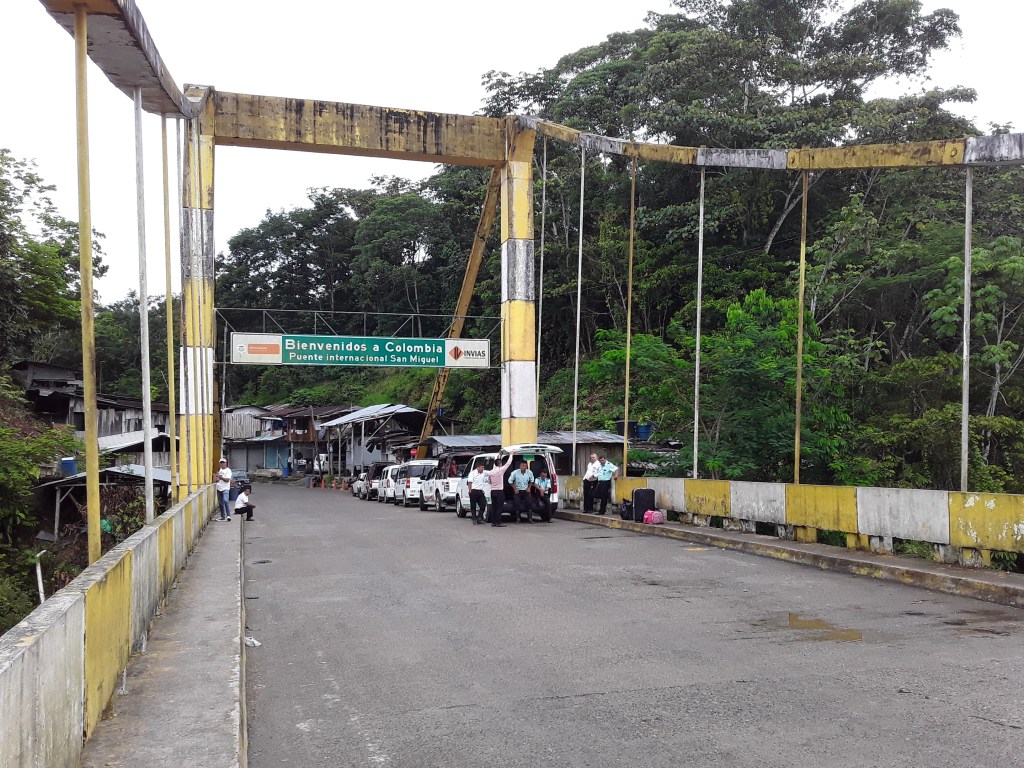
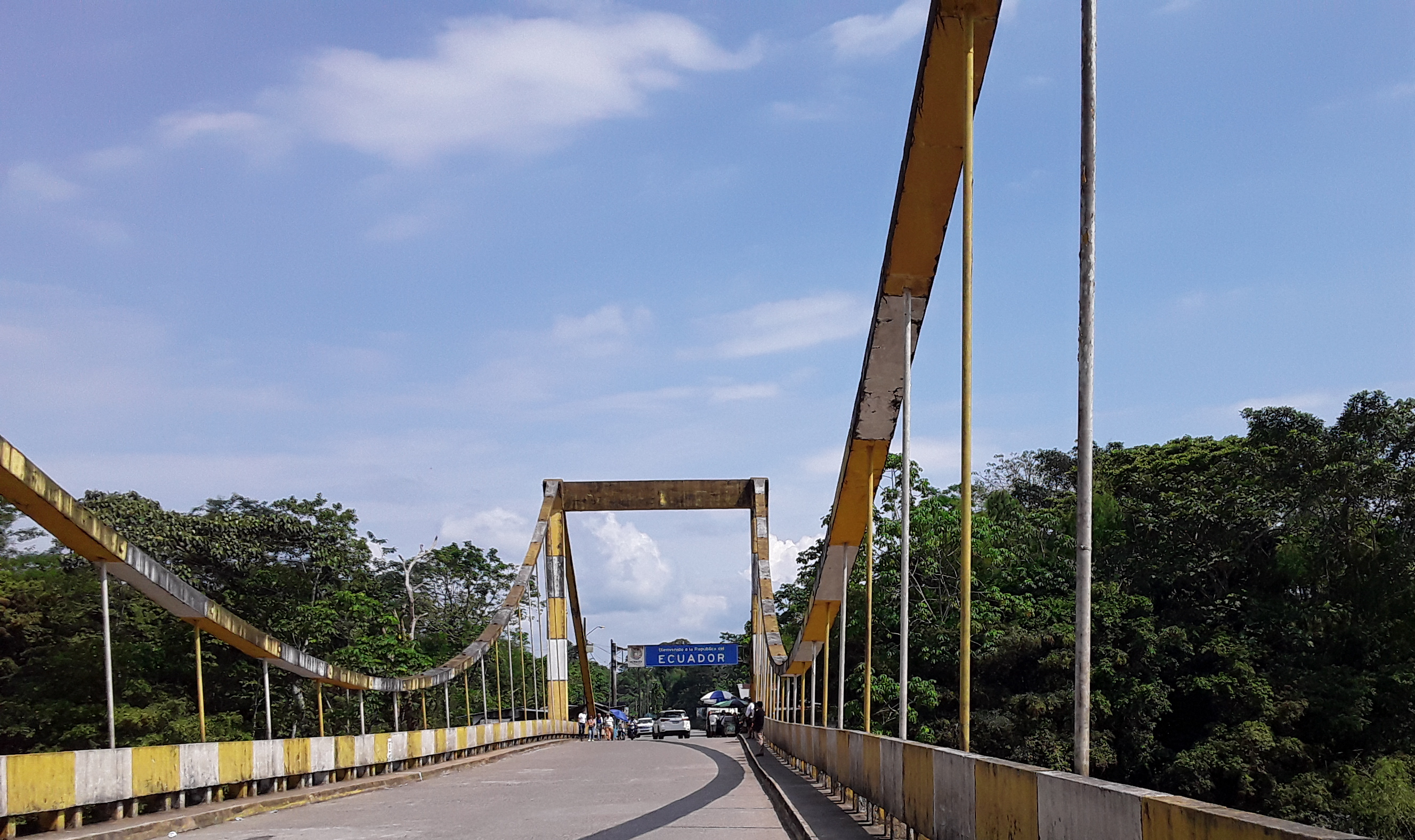
The trip started in El Coca with the important task of stamping my passport. I was a long way from the border but for some reason, they moved the migration office here to El Coca from Nuevo Rocafuerte. So it is very important that if you are crossing the border that you remember to get your exit stamp in El Coca as it is 100% no longer possible in Nuevo Rocafuerte. To make this harder, the migration office is about a 45 minute walk from the port where you will arrive or even longer if you arrive at the bus terminal. It is kind of closer to the bus terminal there is just a small matter of an airport and a runway separating the two. This border isn’t too popular which meant I was interrupting conversations between the migration officers rather than queueing up. The migration office is open from 9am-5pm daily and therefore you are unable to stamp and leave the same day.
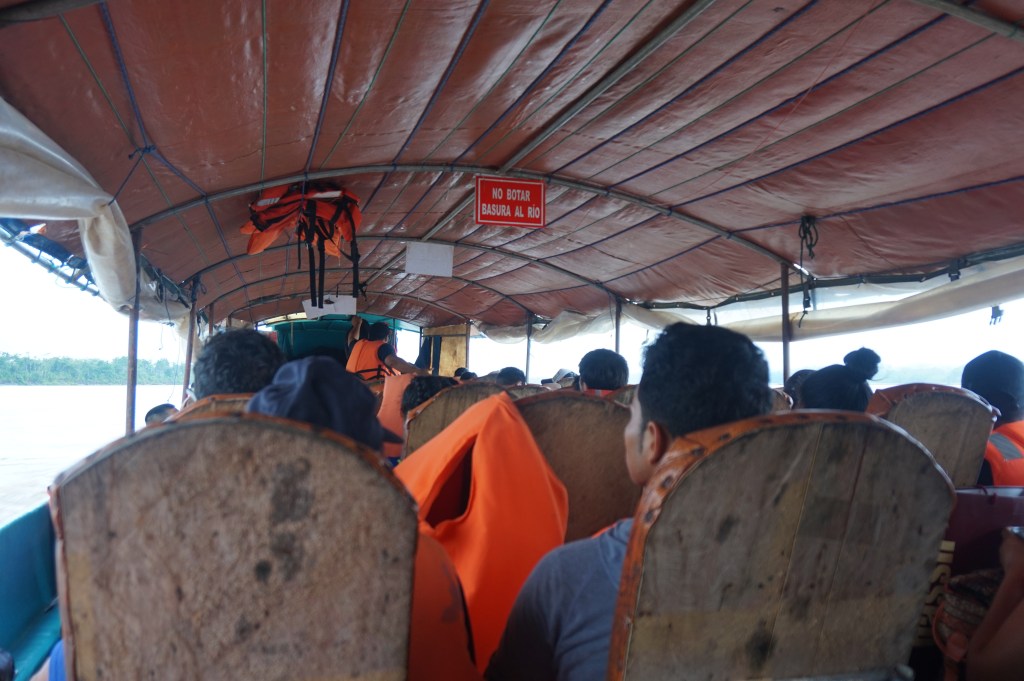
The following morning I took the slower of the two available canoes, leaving at 7am for its 220km and 10 hour journey to Nuevo Rocafuerte, 20 k’s short of the Peruvian border. The canoe had 50 odd seats lining either side of the boat, facing inwards with a walkway down the middle. This style is way more spacious and more comfortable than the boats that have the seats in rows and much less legroom. I happened to be sat next to the only fat guy on the boat which meant I had a little less room than others but it wasn’t too bad. I was also sat next to a group of Italians who were friends travelling from home.
After talking with the Italians for the 10 hour journey, we came to realise that we would be making more or less the same journey over the next week. This made it a lot easier to find transport across the border once we had arrived in Nuevo Rocafuerte. Generally, the only way to cross the border is in a private ‘peke peke’ which they call a small motorised canoe around here. You might get lucky and find an ambulance or cargo boat crossing at the right time but otherwise, the options are limited. We also found a German at the other end of the boat who was crossing the border too so with the journey split 5 ways, it would be much cheaper.
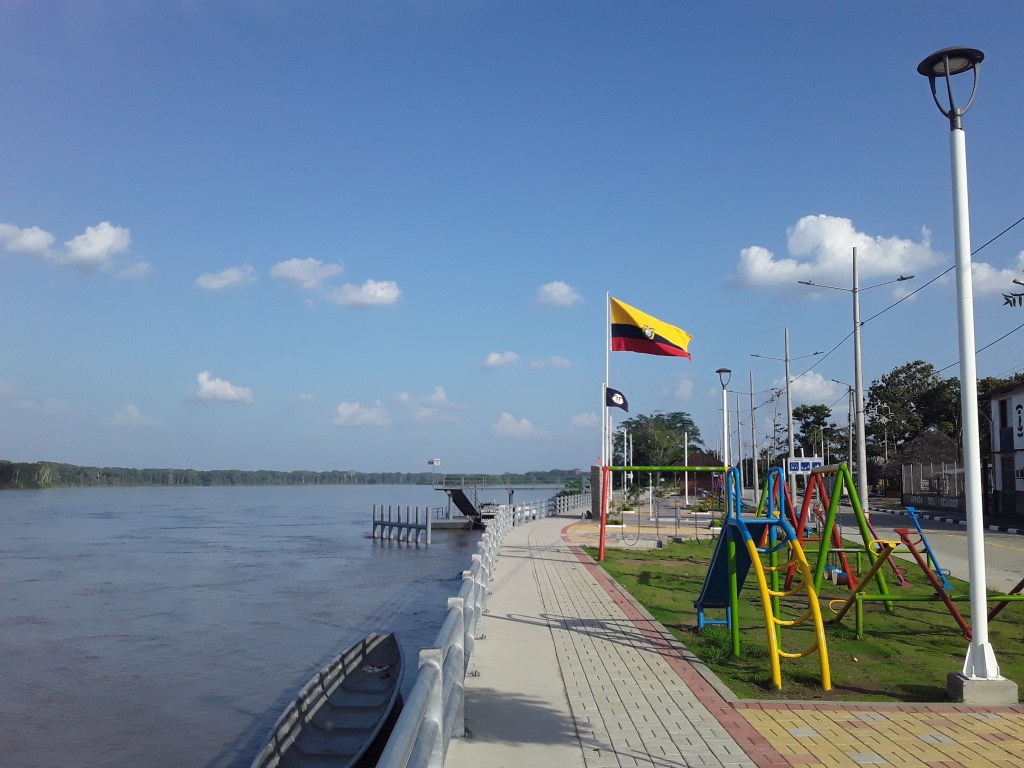
Upon arrival in Nuevo Rocafuerte, the German guy realised that he hadn’t got his exit stamp in El Coca beforehand. After speaking with everyone official around town, it kind of seemed like it wouldn’t be a problem and he could sort it out later on. We got lucky finding a guy who was going to cross the border and for US$10 each, we were on our way that afternoon. Sometimes you need to wait for the big boat to arrive in Pantoja in Peru and the peke peke’s will bring people to Nuevo Rocafuerte from the big boat. Then, when they return to Pantoja, you can sometimes get them a little bit cheaper as they are heading that way anyway. We were more in the mood to get to Peru quickly and wait there for the big boat to arrive so we took the only price we could find at that time and didn’t look too hard to find anything cheaper.
Fortunately for us (or conveniently for him), the boat driver had a mother in law in Pantoja who had a spot we could sleep. The second floor of their house was still under construction (permanently I think) and empty for us to put our hammocks up. Its location was also very desirable with a river view, and only a 50 metre walk up the path on the right from where the boats arrive. It had electricity when there was electricity in town and a roof to keep the currently non-existent rain off of us whilst we slept. The house also came with many very energetic children who are continuously looking to make noise, play instruments, play cards, learn something, wrestle, and keep you occupied and on your toes the whole time.
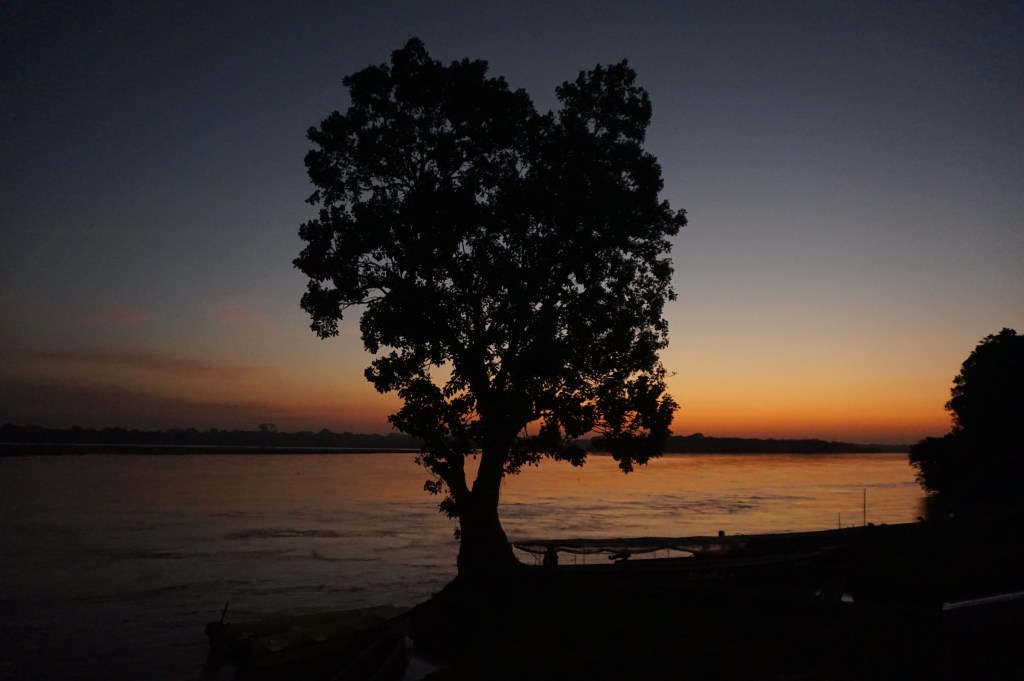
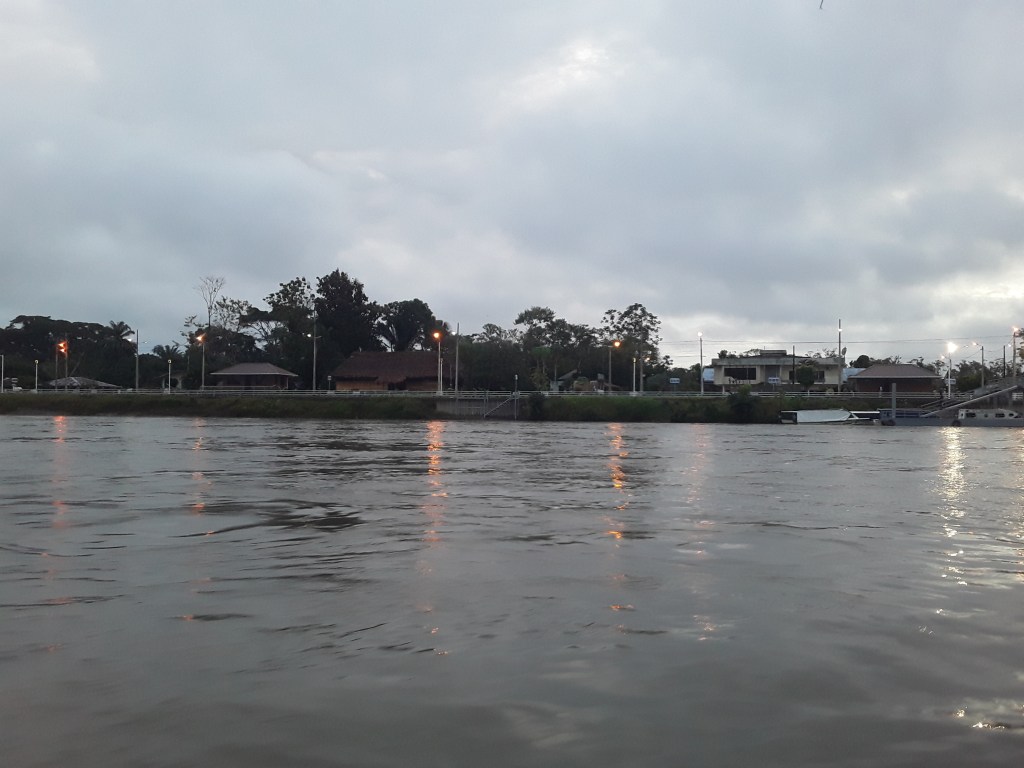
Pantoja is a small village on the banks of the Rio Napo a few kilometres from the border. It has roughly 500 people living there and has everything you need to survive and a bit more for fun. We had met the immigration office when we arrived and we also chatted and chilled with him whilst we were watching the incredible sunset. We also ate at the same house as him with a family cooking food and more or less letting sit in their house and eat. The food was cheap and the flavours were good and the options of places to eat were limited in such a small place. But we had a good spot with good portions and good fish so we were happy enough. Another food that is popular in these parts are ‘Juanes’ which are pieces of chicken, sometimes on the bone, wrapped in rice and packed into a ball and cooked inside a banana leaf. Depending on the house selling the Juanes, the quality, size, and flavours can vary massively with some amazing ones around.

Other than people’s homes to eat in, there were also a few shops selling fairly battered fruit and veg and other essentials you may need for food and life. Most food here is imported except possibly for the veg that can be grown here, the fruit from the trees, and the meat that they can catch out in the jungle. Anything exotic needs to be imported for sure and that includes other products as well as foods. Pantoja is just a collection of people who cleared the land and settled maybe 100 years ago next to the river bank. Transport is only fluvial with the town surrounded by jungle or riverbank. I spoke to a really old looking dude and he told me that since he has been here, the place has grown from nothing to maybe 500 people today.
Nowadays Pantoja has electricity between 6pm and 11pm, a couple of smaller football pitches, a volleyball court, a military training camp, immigration, accommodation for tourists, restaurants to eat in, and probably a lot more that I forgot or didn’t get round to seeing. The volleyball court can be found up near the migration office up the hill on the left side of town as you look at it from the river. Whilst waiting for the migration officer to finish his lunch and arrive, we played a little volleyball and got the police involved. This was a mistake as they weren’t very nice people and just played with themselves and never passed the ball to any of us once. I contemplated having a sit-in protest until they passed the ball to me but I don’t think it would have mattered, I would probably still be sat there now.
Once we had our entrance stamp for Peru we were free to leave once the cargo boat had arrived. These boats make the journey to and from Iquitos constantly and don’t really have an actual schedule or departure time. The journey takes about 5 days to cover the 600kms and the boat will stop too many times along the route collecting different things every time. Therefore, it is impossible to say what time the boat arrives, let alone leaves on its following journey. Once it has arrived the boat needs to unload any cargo it still has aboard and then the crew needs a slight rest too. If it arrives on day 1 in the morning, it will probably leave on day 2 in the afternoon. That is the normal schedule with loading starting the morning after it arrives and it will leave once it’s been loaded.

Once the boat arrived, I chatted with the owner and he said it would leave the next day for sure so the following day we would be on our way to Iquitos. We were only in Pantoja for 2 nights but with the people and atmosphere in Pantoja, I was a little bit disappointed that we were so fluid with our timings. I had heard people moan about having to hang around in Pantoja for a week and how boring it was. For me that would be amazing. There was always a child to talk to as tourists are like magnets to them. The local kids are so inquisitive and playful that it almost seemed impossible to get a moment’s peace to yourself. I say that in jest with the children often being a highlight of places I have been. And not just the children, a lot of the adults are interesting to talk to and find out local knowledge from.
But boredom here is not an option. The night before we left, we joined the locals in their daily footy matches after the sun dropped in strength. It started off ok but even after 1 match in this heat, I was done. I gave it all, scored our only goals but we still lost with my team capitulating after we started to tire and concede goals. I was with a couple of policemen too so they weren’t passing to me even though I was often open and our only real goal threat. The locals were giving the police a lot of stick, on and off the pitch. Unfortunately for me, I think I had the head of police on my team who was getting the most stick and he couldn’t handle it.
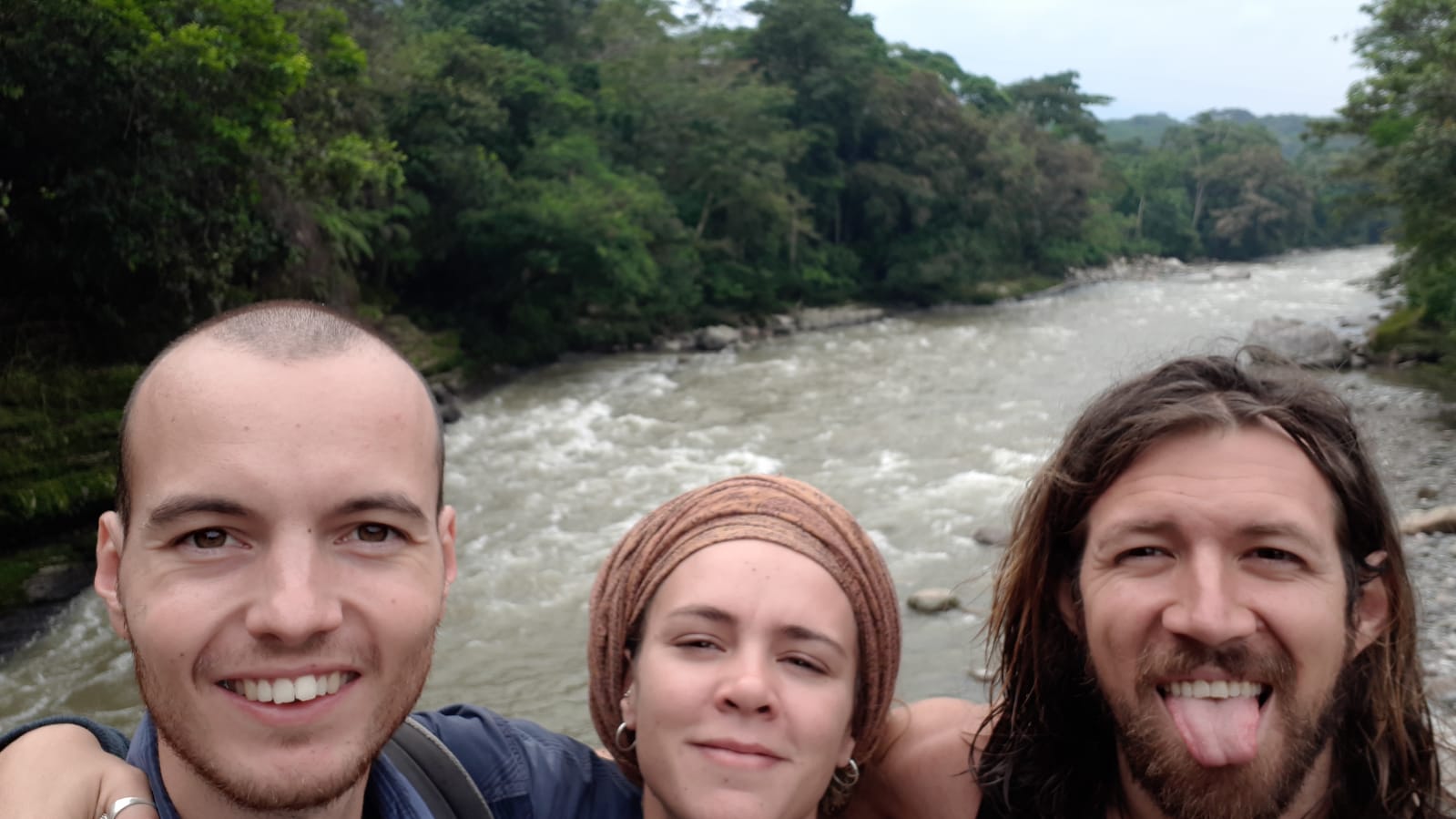
I thought there were going to be fights breaking out and everything with jokes getting stronger and people losing their cool. They were also placing money on the game with the winners taking all so the tension was growing on this too. This was our cue to leave and let the children fight it out with themselves and after running around too much a quick shower was needed. Now I don’t think where we were staying had a shower, I certainly never used it. Even though the Napo River was flowing brown and dirty, it was the most refreshing shower during and after a hard day staying cool. There was also a tree next to the river that acted as a jumping platform meaning you could jump from maybe 8 metres and a little higher up too if you wanted.
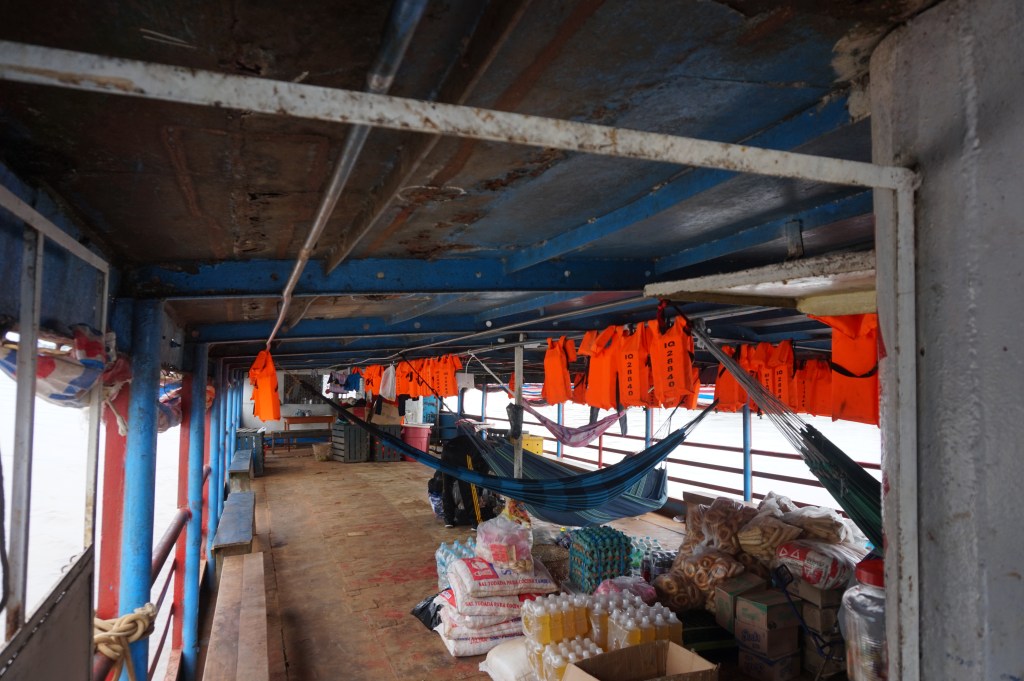
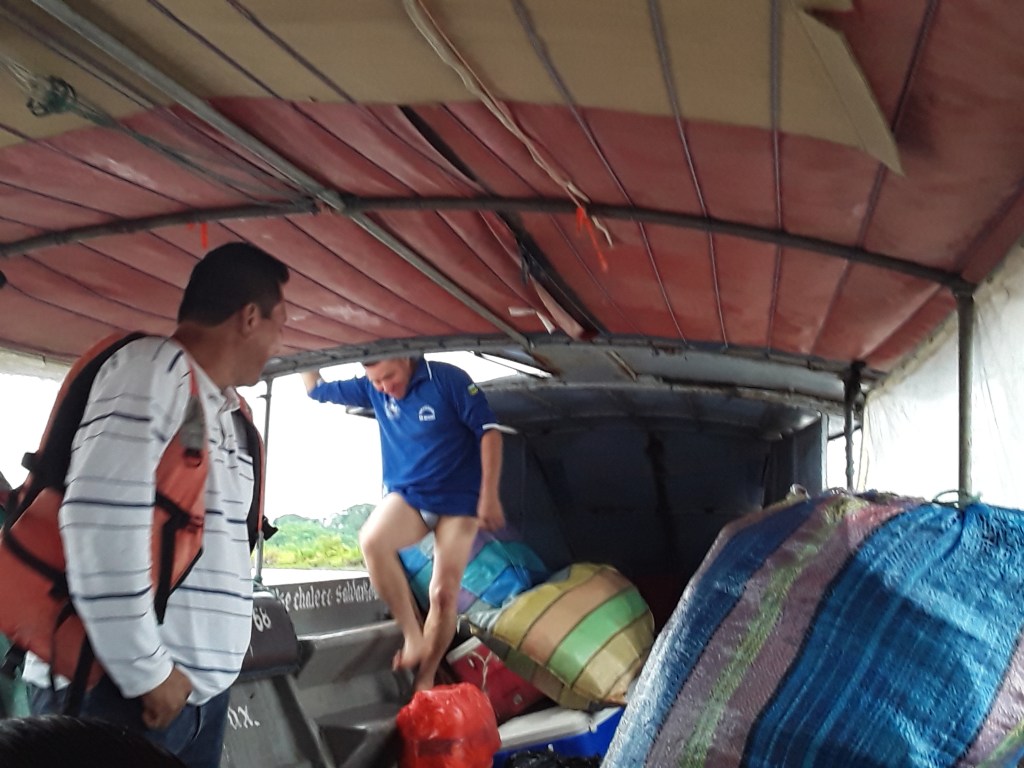
The following day the boat was meant to leave at 9am so we packed our stuff up early and walked the 50 metres to the boat. We got inside and got our hammocks up early to try and get a good spot. We kind of put the hammocks in a triangle which left a little floor space in the middle to use as a cooking area. Everyone on this boat will be sleeping in a hammock or on the floor with a capacity of around 50 passengers. The cargo boat, or ‘La Dianita’ as it was named, had 2 floors for passengers. The top floor was solely hammock space and toilets at the back. Towards the front, there were 4 cabins where the captains or higher ranked crew slept, and then the wheelhouse. Next to the wheelhouse was a ladder to the roof which is where we spent a lot of time taking in the sun and the jungle view around us.
Below the top floor was another hammock deck that was a little bit bigger than the floor above. It also contained the shop that was loaded with lots of essentials and possibly more non-essentials and the kitchen where Asterias, the cook, worked her magic. Below this floor was the cargo space. The covered room below the hammock deck had the engine at the back and then 50,000 plantains stuffed inside it by the end. The front of the boat was a flat platform, uncovered, that originally had 11 barrels of 200 litres, holding a pure local liquor called Aguardiente. Before you ask, I asked too, and no we weren’t allowed to drink it. By the end of the journey, this open platform would be full of animals and vegetables.
We eventually left Pantoja at around 10am and we were on our way down the Napo River and towards the Amazon River. The journey costs US$30 or 105 soles (Peruvian currency at 4:1 ratio with the GBP) and includes a space for your hammock (if it’s not too busy) and breakfast, lunch and dinner every day that you are on the boat. It’s fairly cheap when you think about it with a living cost of US$6 per day which includes transport, accommodation, and food. You had to bring your own toilet paper and the toilets were definitely not for the princesses of this world. The toilet also had the shower in it and both the water in the toilet and shower came from the river. This meant it was brown and sedimentary and not the cleanest looking. But you could shower with it easily and it was quite refreshing on a hot day.
As well as a hammock and toilet paper, you also had to bring your own Tupperware or bowl and a spoon. You would take this downstairs with you to the kitchen where Asterias would fill your tub up with whatever was on the menu. She was cooking for 70 people, on a cheap budget, 3 times a day so you couldn’t expect too much but the food was delicious. I actually chatted with Pablo the owner of La Dianita and managed to get a good price on double portions for the duration of the trip. The only problem was when I showed Asterias this, she started giving me huge portions and therefore I didn’t need the second one at that time. I took it anyway and stored it in my Tupperware until dinner time.
Breakfast was normally a soup of some sort with some stale bread. Lunch was a load of rice, a whole boiled plantain, a small piece of meat (or bone), a potato, and the sauce they were cooked in. Dinner was a Tupperware of coffee or sometimes warm milk with a few oats floating around. That’s also why I got a second portion because warm milk for me is not enough to get me through the night. It is a good idea to bring some food or snacks with you that can survive 6 days in the humidity without refrigeration. I bought tinned tuna, sweetcorn, mayonnaise, biscuits, and cakes. The idea was to make some tuna mayo canapés and eat a cake for dessert.
The Italians on the other hand bought a cooking stove and more adventurous food. They made pasta with garlic, chili, and olive oil one night which was delicious. I tried to help cook but wasn’t allowed close by. Italians are very protective of the pasta when it’s cooking. I wasn’t allowed to salt the water and wasn’t even trusted to stir the water. Well, the pasta tasted amazing so maybe it was a good thing. The camping stove was also an amazing provider of coffee in the morning which is compulsory for Italians in the morning and something I agree on since Colombia. It was nice that they let me hijack their stove too but in fact, they shared everything they had with me. I was obviously sharing too but had nowhere near the same amount of stuff as them. It wasn’t only the Italians that made this trip good though, there was so much more.

The first day was new to us so we didn’t really know what to expect. What happened was the boat continued to stop again and again to pick up random jungle river farm-based things. For example, at the first stop we collected some plantains, fairly quick, and easy. The second stop we picked up more plantains, a lot more plantains, some pigs and some chickens. What’s basically happening is these boats that make this journey stop at any farm along the river that signals them. But only if the boat wants too. Once there, the team decides if they want to buy the produce from the farm owner and then takes the stock. Once we arrive fully loaded in Iquitos, the boat will sell everything within about 1 hour of docking. The plantains are roughly bought for 10 soles a branch (with 50 plantains approx.) and sold for about 25 soles once in the city.
As we went from farm to farm, I noticed a big pattern with the people living on the farms in the jungle. The dominant male or head of the family would normally be drunk and a few were on a different level of being drunk. They had been drinking ‘7 Raices’ a local liquor made from distilled sugar cane, unrefined and then poured to soak over 7 different types of roots found in the jungle. It can be drunk with any mixer but honey is popular around these parts. These guys weren’t going through the flavouring process so they were drinking just distilled alcohol of about 40% strength without any flavours. It tasted disgusting but was drinkable, and it had to be because one of the drunk guys took a liking to me and forced me to drink some.
He originally spotted me at the top of the boat but called me down. Once I got down to the front of the boat he gave me a drink. Not being rude, I took a swig but he told me to finish it quickly. He was hammered and struggling to walk and talk but he could still pour a drink. He poured me another drink, a full cup again, he made me drink it then finished one himself and told me to finish the bottle. In this 5 minute period, I probably drank half a litre of this filth but didn’t feel too drunk. I think he was giving me a mixed version of the drink because it didn’t get me anywhere near his level of drunkenness and tasted funny. But it was all fun and quite often the crew would take a pause for a bottle of something shared quickly.
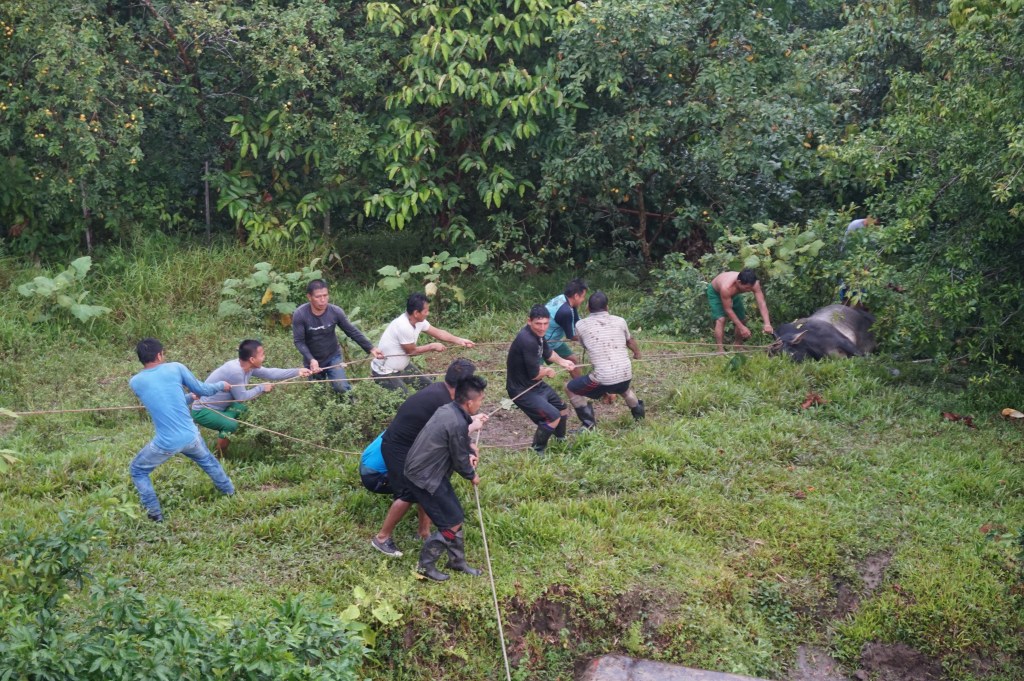
Then out of nowhere everyone came running from around the corner of the trees. They were panicking, telling us to run and laughing at the same time. I was at the front of the boat and people were running past me telling me to get upstairs quick. That’s when I turned my head, saw a massive cow coming, and ran a bit faster. This bull was meant to come on the boat but he had broken free and was running at people. With the crazy ones still holding on to the ropes, they managed to control this beast and eventually drag him onto the boat where he would spend the next 5 days before he was sold as food in Iquitos. Things like this were happening every time we stopped at a farm.
If we were lying in our hammocks and we heard the boat slow, we would head out to the balcony to see what could happen at this stop. No word of a lie, it was like the jungles version of a TV Series. Every stop was like an episode with the same protagonists every time. The whole of the boat would come out every stop and watch the crew haul a load of stuff on board and then head back to the hammocks once we got moving again. Anything on this boat was entertainment. If someone was playing the guitar, people would gather to watch. If I threw my cup in the air 3 times in a row, I would have 4 children around watching. Someone would ask me what I was doing and I would answer that I was just throwing my cup in the air. They would continue to watch me until something more interesting happened.
But for me the boat wasn’t boring, never. Especially with the TV Series constantly running there was always some sort of excitement. It was so exciting that I didn’t manage to get to sleep the first night. I really could miss an episode or a stop and the boat continued to stop throughout the whole night. It was actually really slow at night time with many people signalling the boat to get it to stop. From midnight to 6am, we managed to only travel 20km down the river. We were stopping the crossing to the other riverbank, then going 5 minutes before stopping again. We even stopped at Pastrana’s Gran’s house and then 5 minutes later we stopped at his other Gran’s house. We also stopped somewhere at 5am and the guys chatted for an hour after loading a few plantains. This was when it got light.
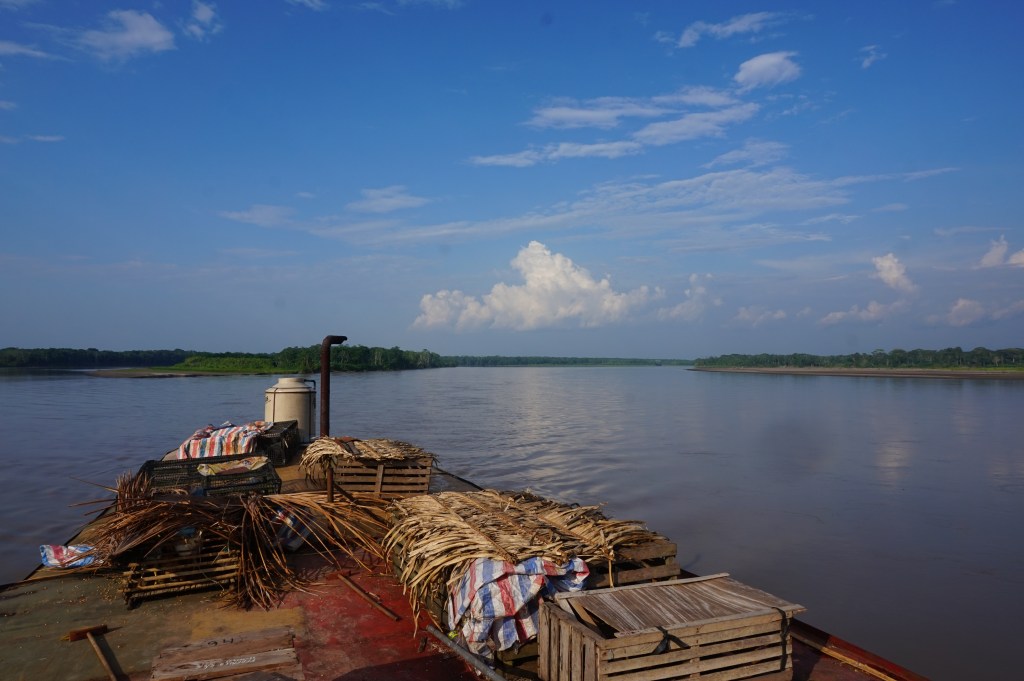
Seeing as everyone else had been sleeping, I had no company for the night apart from the crew. All these guys were fun and interesting guys who worked hard and played hard. I spent the night chatting to the majority of them and sharing my bottle of Aguardiente I had brought with me. They were more than happy to drink whilst working and the boss was joining in too. At 3am I got invited downstairs to have some food with the crew. This was crew only food and maybe because of this, it tasted way better. It was a soup but with more meat and veg in it than the ones we had as passengers. This is only fair seeing as the amount of energy the crew burns working, and they work a lot.
From the first stop to the last stop, they are working. This is generally the first 3 days coming from Pantoja. Now they can sleep downstairs in a hammock but it is never longer than 20-30 minutes before they are woken up to load some more bananas or something. They work 3 days and nights loading heavy things without significant sleep and still find the energy to drink and play around. The get paid fairly well by Peruvian jungle standards but the work is long and tough. I have Paulo’s number should I wish to work with him the next time instead of paying for my journey. Its hard work but if I was with this crew, I would guarantee to have fun along the way. With all the corona stuff happening at the moment, I almost thought about going there to work if I was stuck in Peru and couldn’t leave.
After 3 days of stopping and collecting, the boat is pretty full of stock and there is little room remaining should there be any more to come. But as you get closer to the Amazon River and Iquitos, there are fewer farms using this service as there are a lot more options available. Maybe they have their own boat or maybe there are others that pass more frequently. Either way, the boat I am on has a clear run for the last couple of days and the crew can relax now. Over the last 3 days, the crew had loaded 6 cows, 50+ pigs, over 100 chickens (some of which we ate), 54 humans, 2200 litres of good hard liquor, approximately 60-80,000 individual plantains, 4 turtles, 1 burnt monkey, and many more vegetables and fruits on top of that.
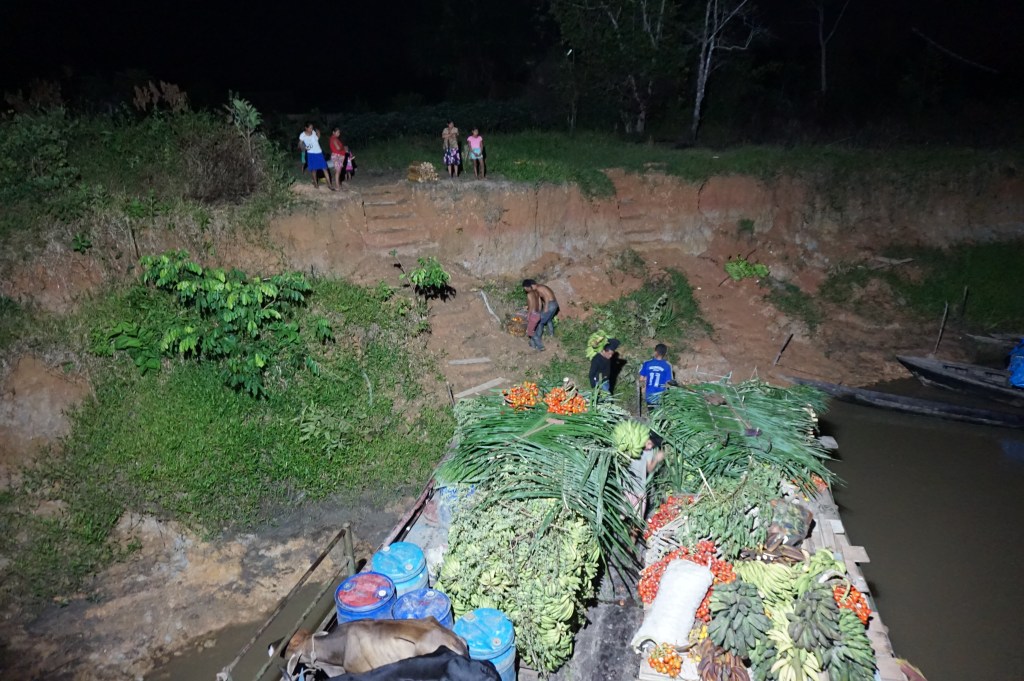
When the boat would stop at the farms, the whole family would be there waiting. It was like it was the entertainment for them as well. It didn’t matter if it was 4am, there was still the whole family, kids and all, waiting on the banks. They would normally come aboard and buy a bottle of something and some ice-lollies for the kids. Sometimes we would just stop on a sandbank in the middle of the river and pick up a passenger. Who knows where he came from or how long he had been waiting there. Some people must wait for days to signal the boat down, not knowing when it is going to arrive due to the lack of a schedule or signal to phone anyone to find out. But this boat provided money and food for those living away from the cities and accessible transport.
With there being no roads here and no floating refuge service, the locals are kind of unknowingly stuck in a bit of a bind. Having lived from the jungle for so long, the family’s waste products were natural and biodegradable, for example, nature’s tin foil known as the Bijao leaf or banana leaf. Now they actually have tin foil and many other non-biodegradable products including many different forms of plastics that they are unable to dispose of in an environmental fashion. The 2 options that they have are far from ideal, with option number being to burn it. But burning plastics and other things is horrible for the environment, the jungle and even their lungs.
The only other option, which happens to be the most common option, is to throw the rubbish into the river. Within 10 seconds, the strong current has whipped the rubbish away and out of sight is out of mind. It was painful to see every piece of rubbish on the boat get thrown overboard and into the river. This is the culture here and everyone does it bar a few who are environmentally educated through school or university. We had a 5 litre bottle that we stored all of our rubbish in so we could dispose of it in Iquitos once we arrived. Unfortunately, a young girl saw it and emptied every piece of rubbish individually into the river and then took the bottle. Plastic bottles are recycled here and the poorer people collect them for minimal amounts of cash. The person who told us what happened, watched her do it but didn’t say a thing, because it’s normal behaviour here.
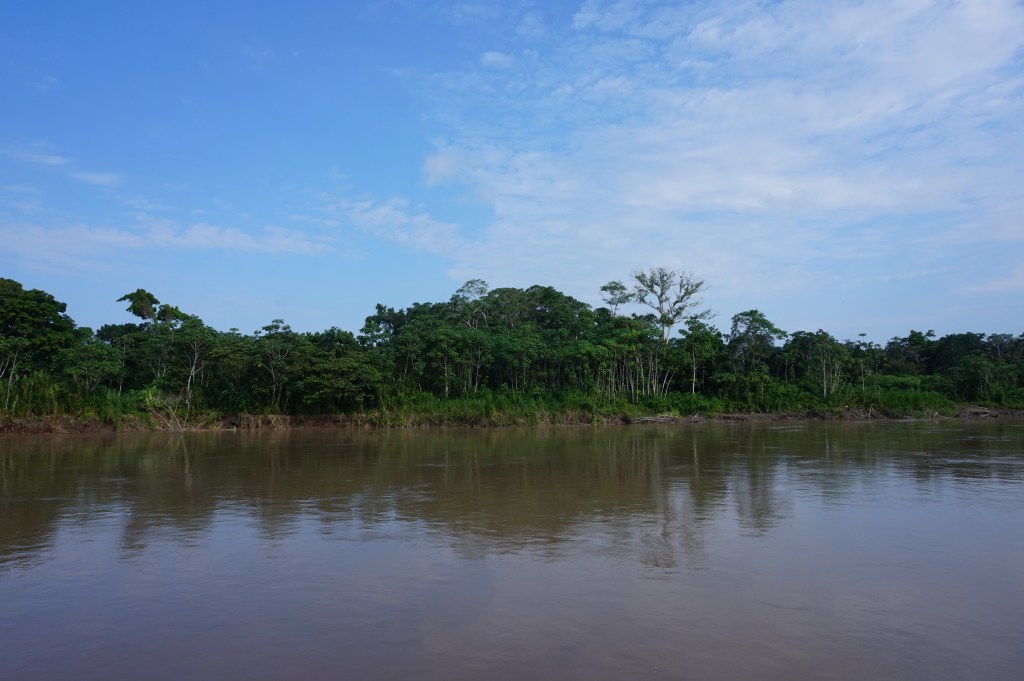
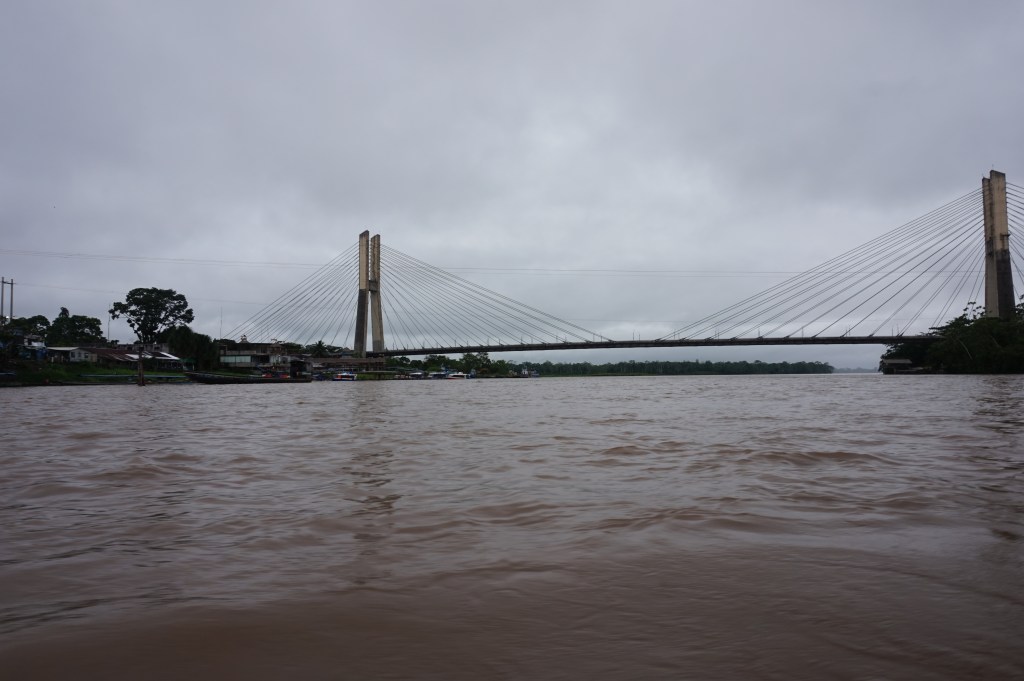
But the river looks incredibly clean with no rubbish or plastic visible as we cruise through the jungle. That’s because of the strong current that takes it away quickly and it continues to be taken away until it reaches the mouth of the River Amazon and eventually enters the Atlantic Ocean. Nowadays, all food products come in plastic, and out here there seems to be an extra unnecessary piece of plastic or bag involved with everything. Products are also Chinese, cheaply manufactured, cheaply sold and they break easily meaning there are a lot more rubbish and plastics entering the river. It’s almost a planned obsolescence out here. It seems that things are only made to last a year maximum here because people will break them or want a new version after a year anyway. The waste disposal here is a problem, but only for the outside world, as the locals know no better and continue as normal.
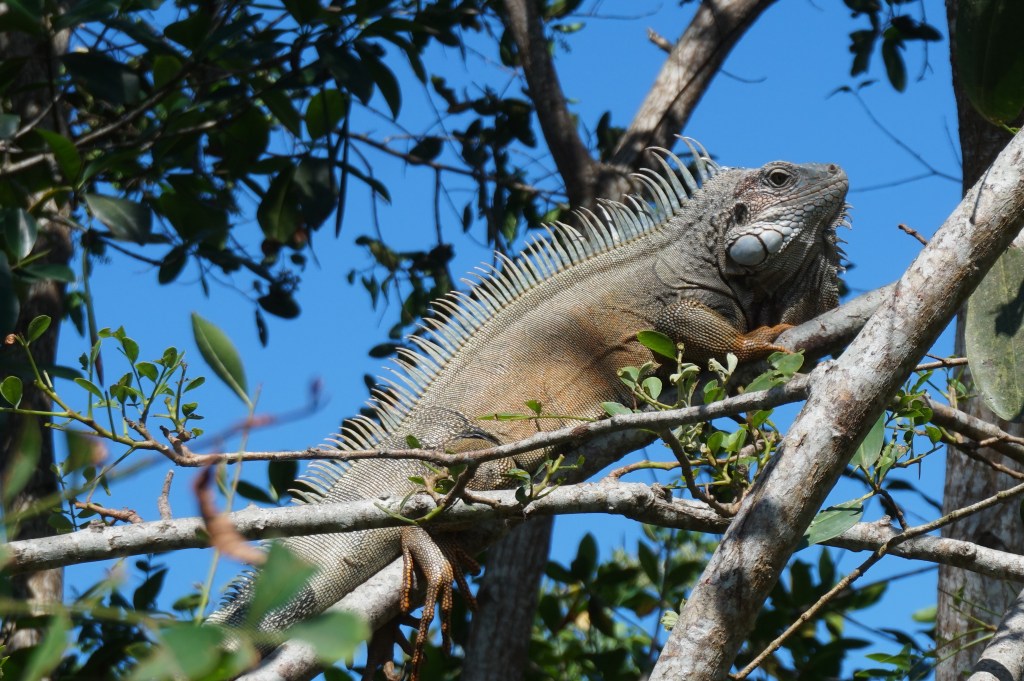
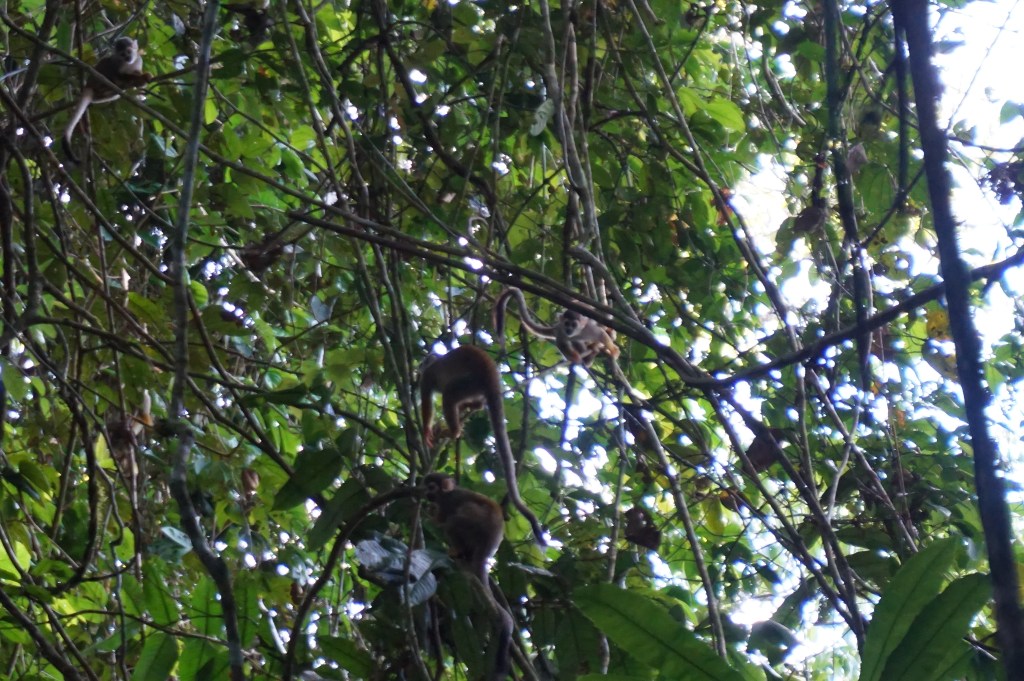
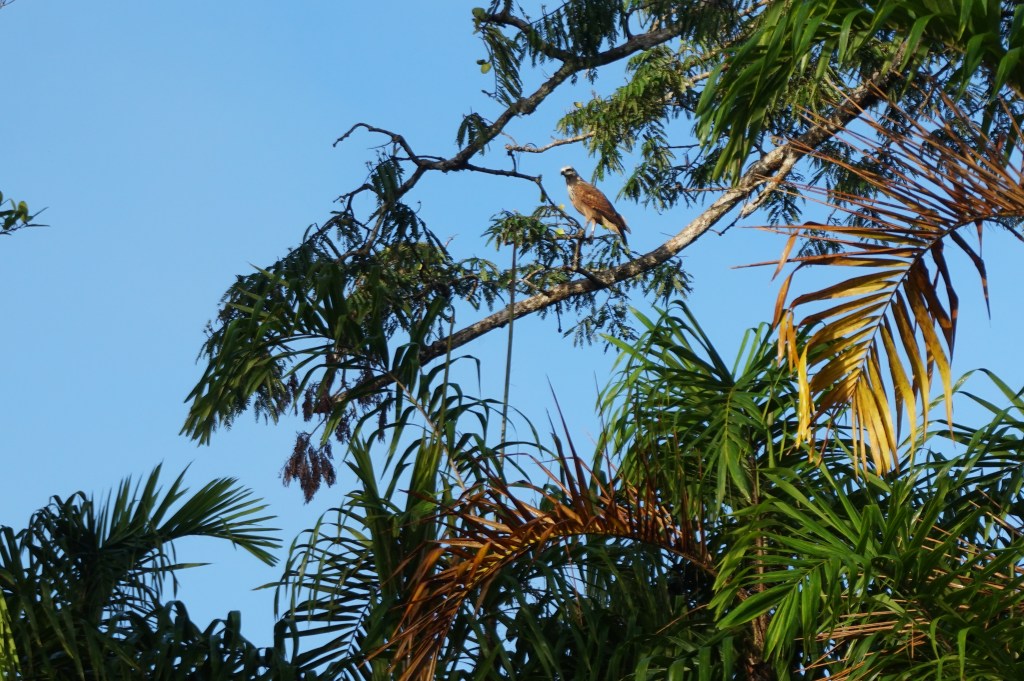
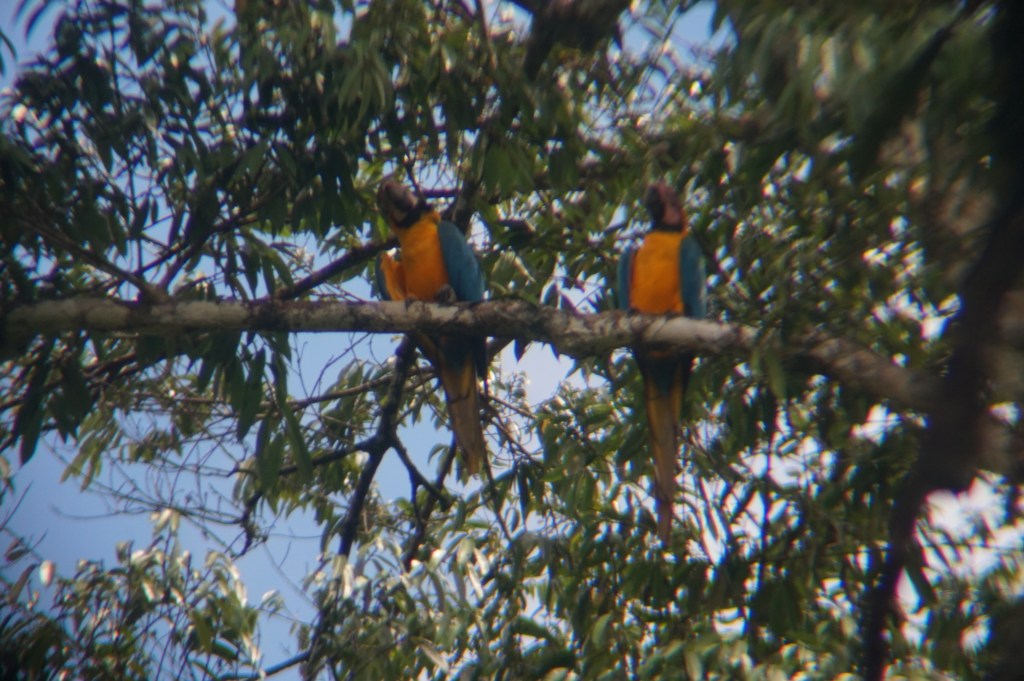
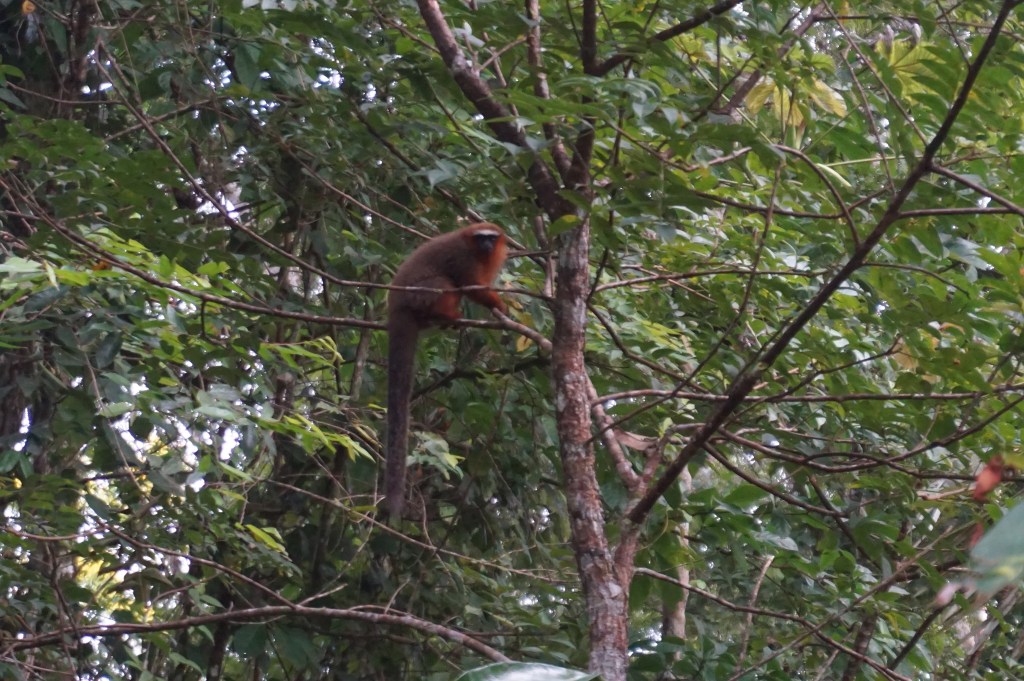
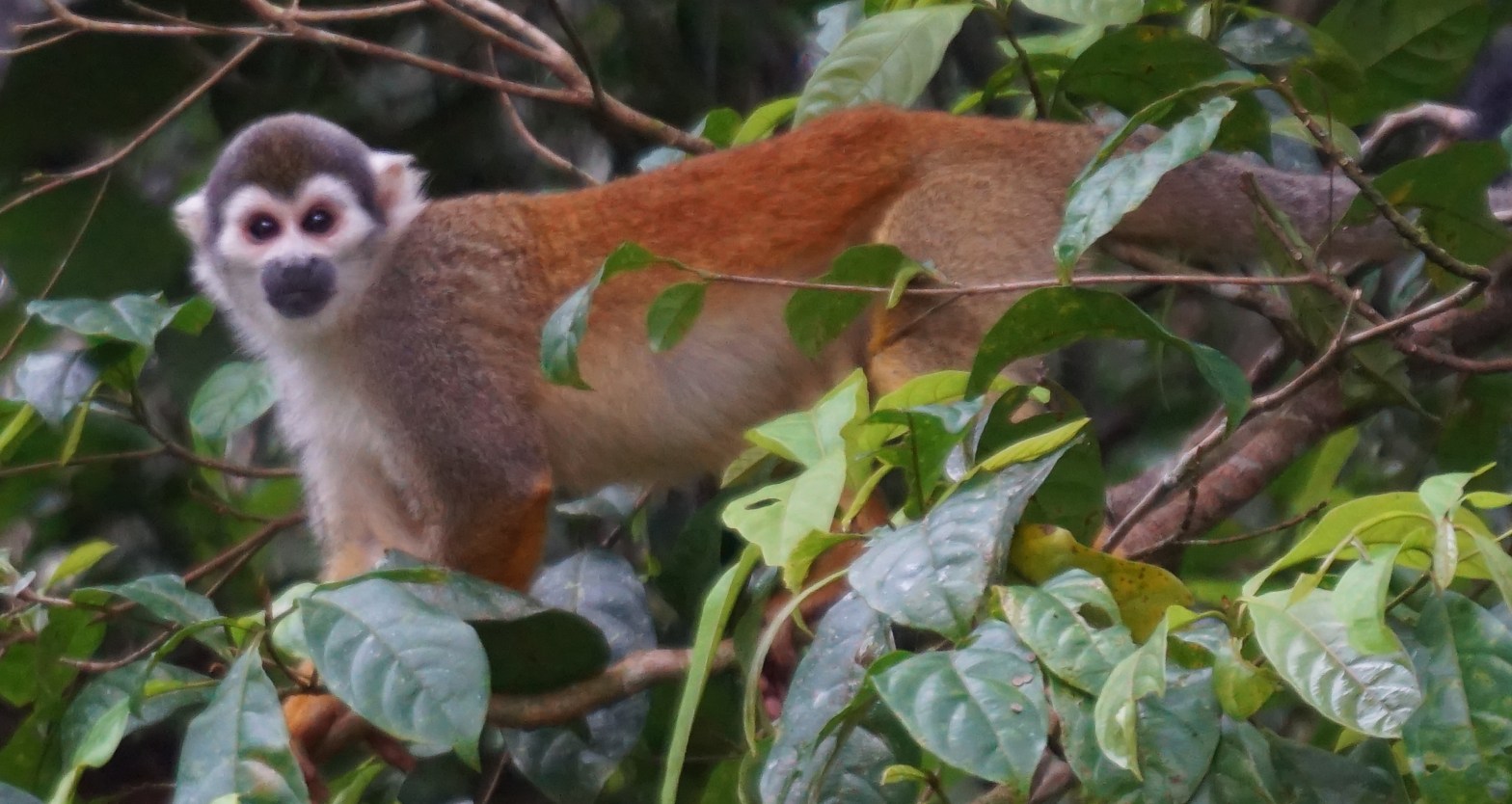
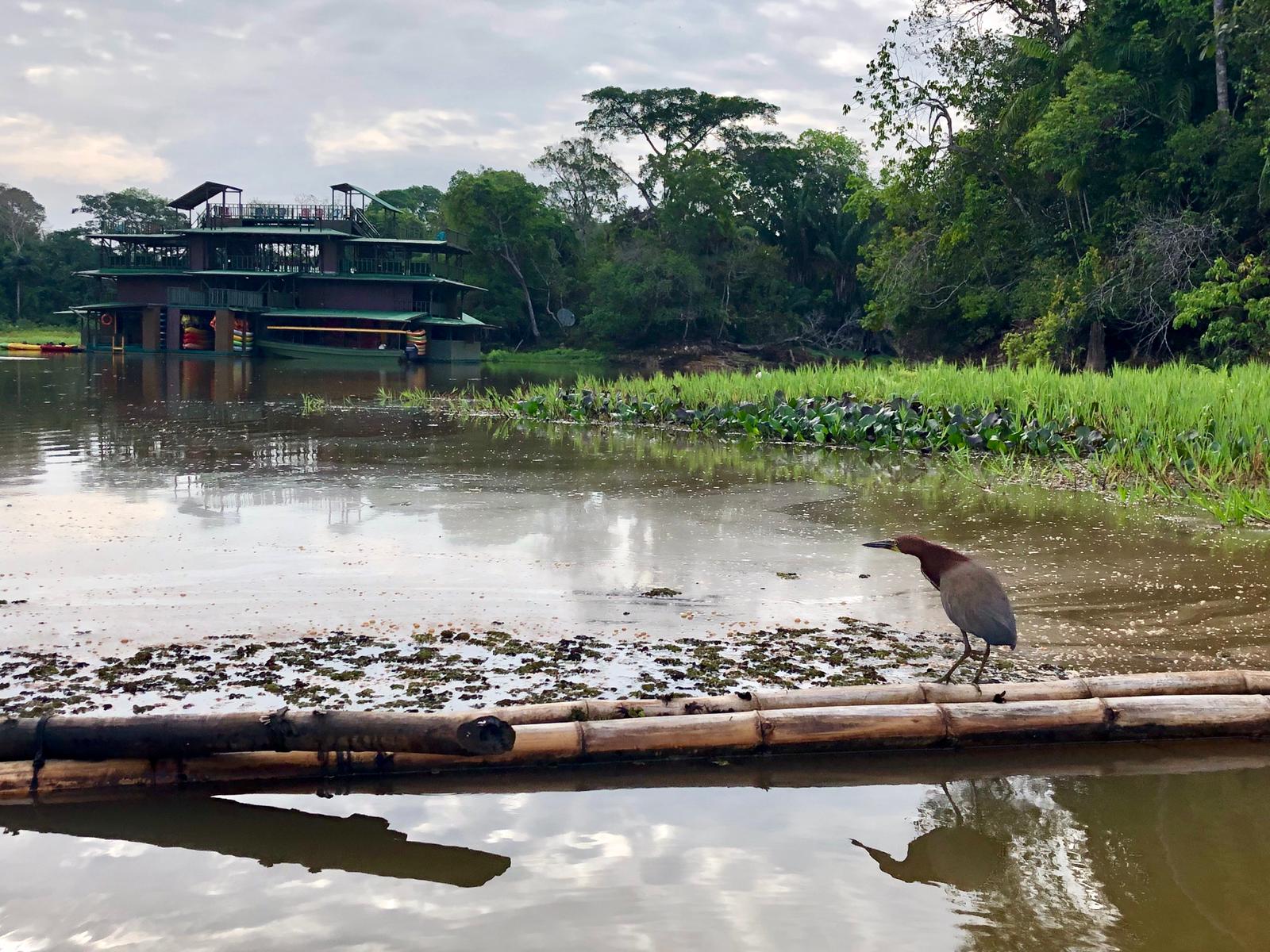
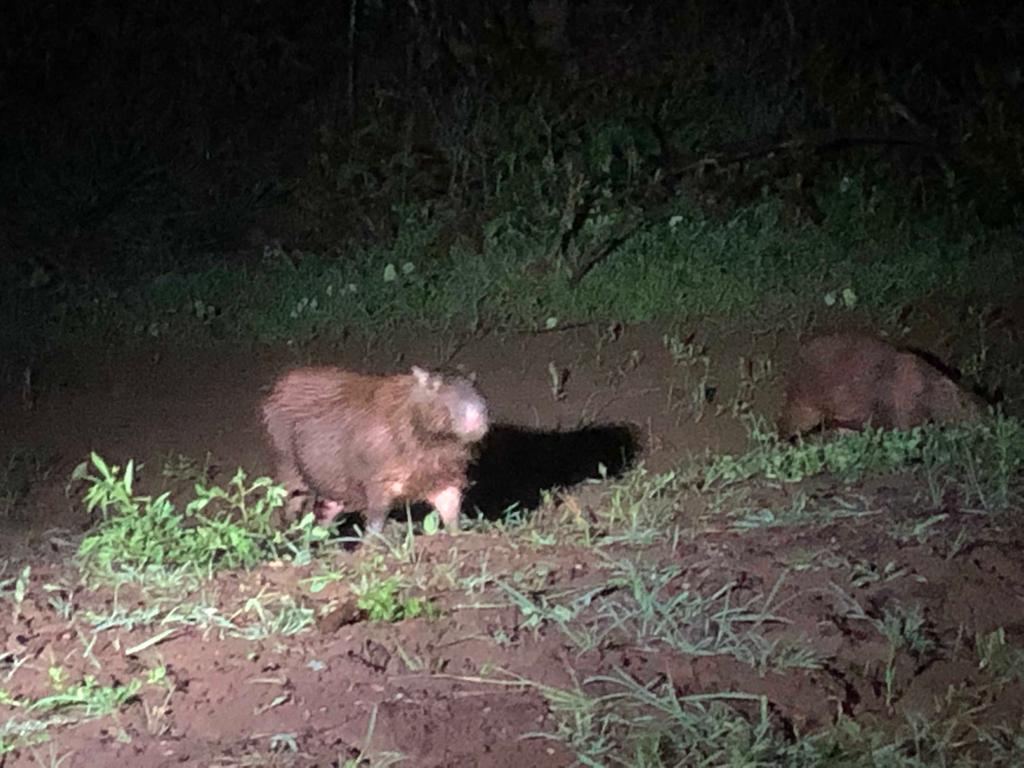
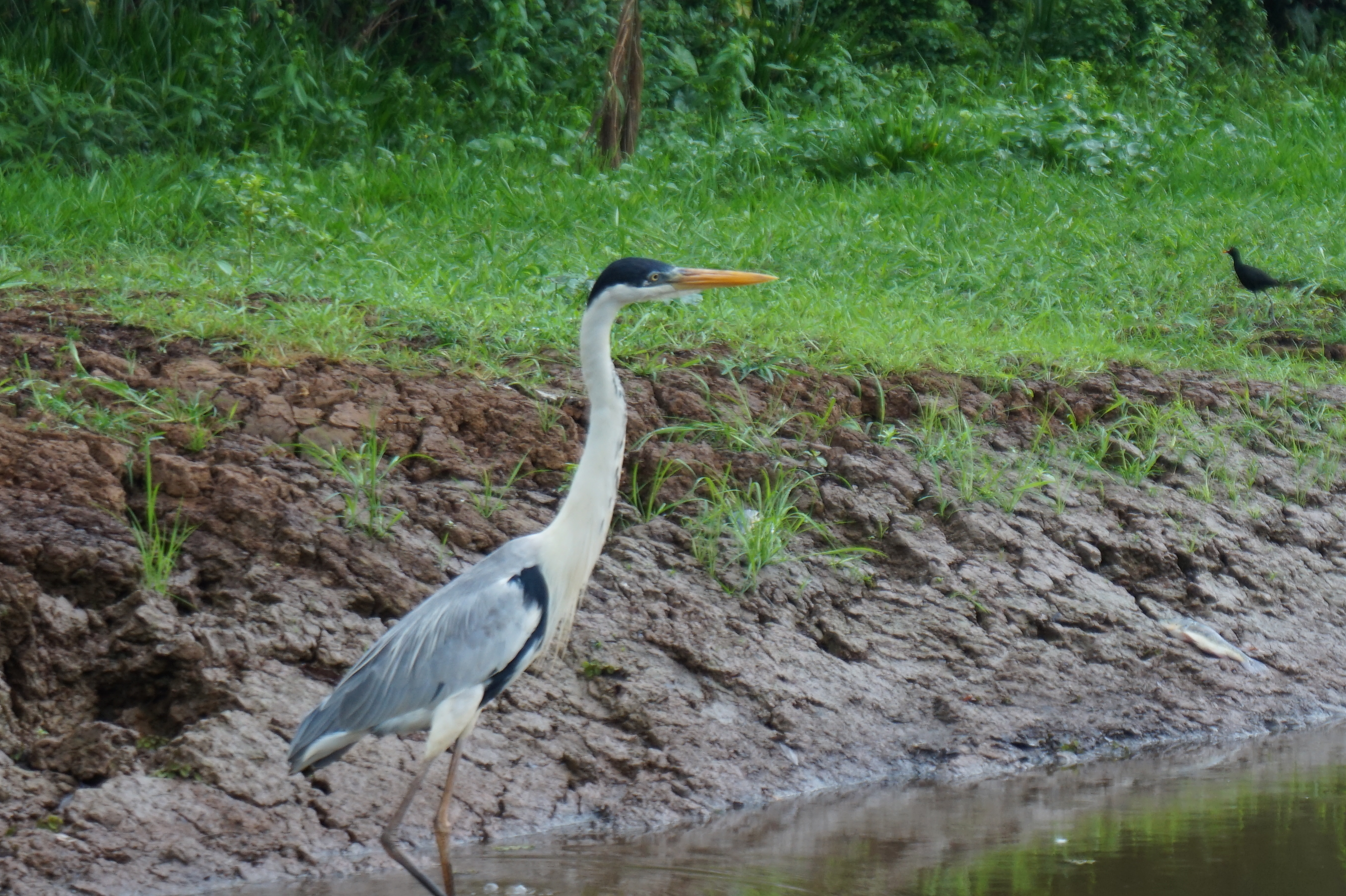
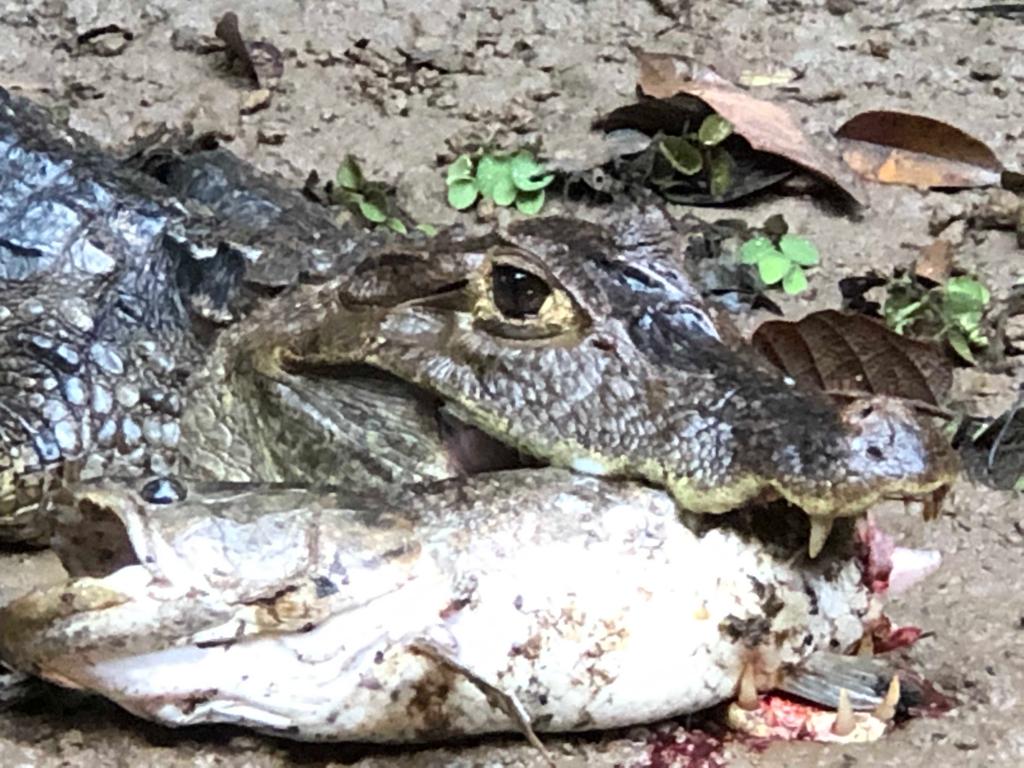
I don’t think it has anything to do with the waste disposal here but there were surprisingly few animals to see along the journey. I saw some monkeys from a distance but other than a couple of dolphins and a load of birds, there wasn’t much else. I know a few dolphins, monkeys and birds are pretty good but after 5 days of scouring the river and jungle, I was expecting to see more. I was told that the animals stayed out of sight because they were prey to the humans who would find protein where they could. The rivers edges were extremely dangerous places to be as visibility from a boat was much easier than the jungle floor. I have heard that the jungles are full of animals, just not in the vicinity of river banks and human settlements and within reason.
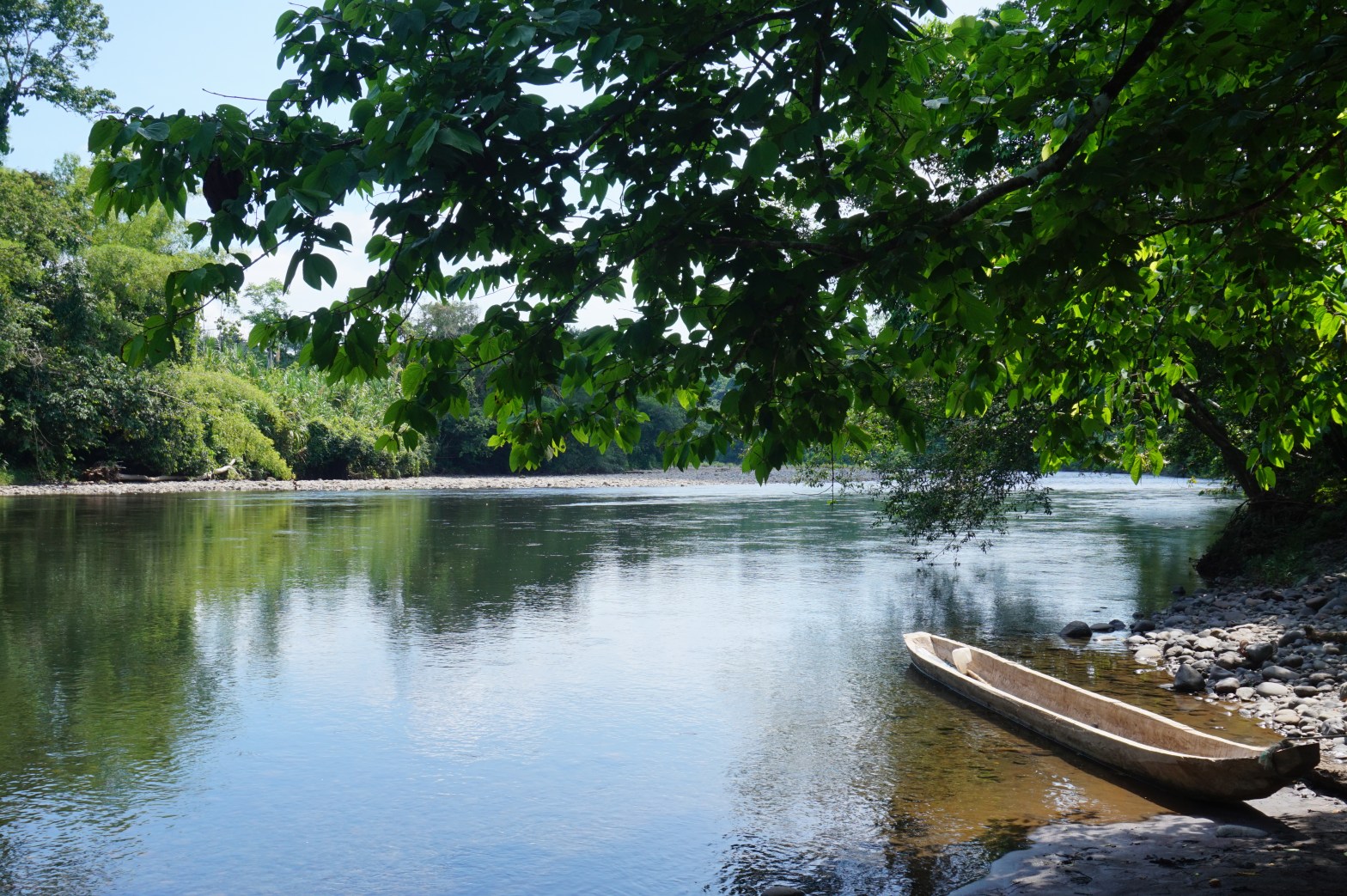
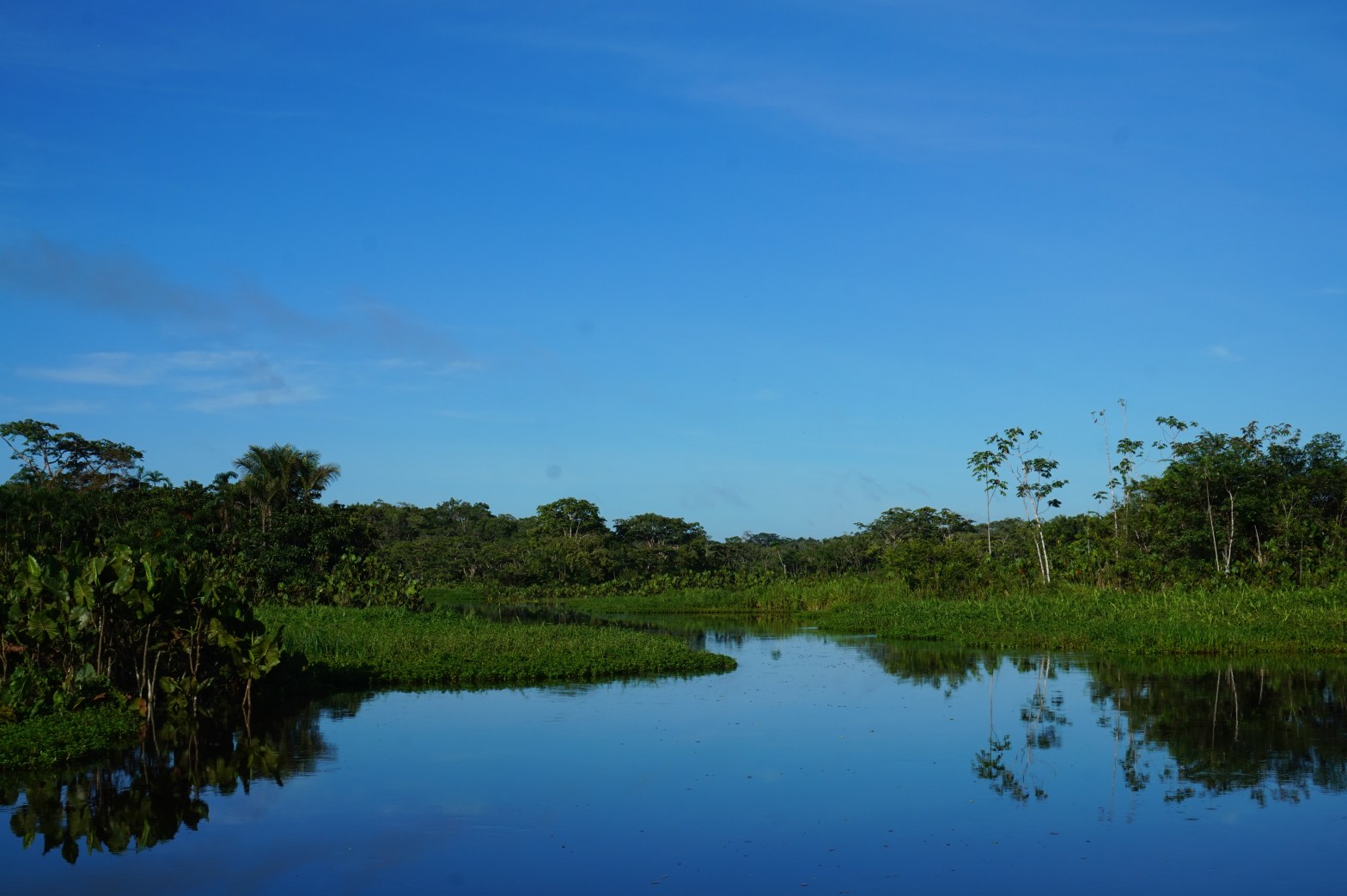
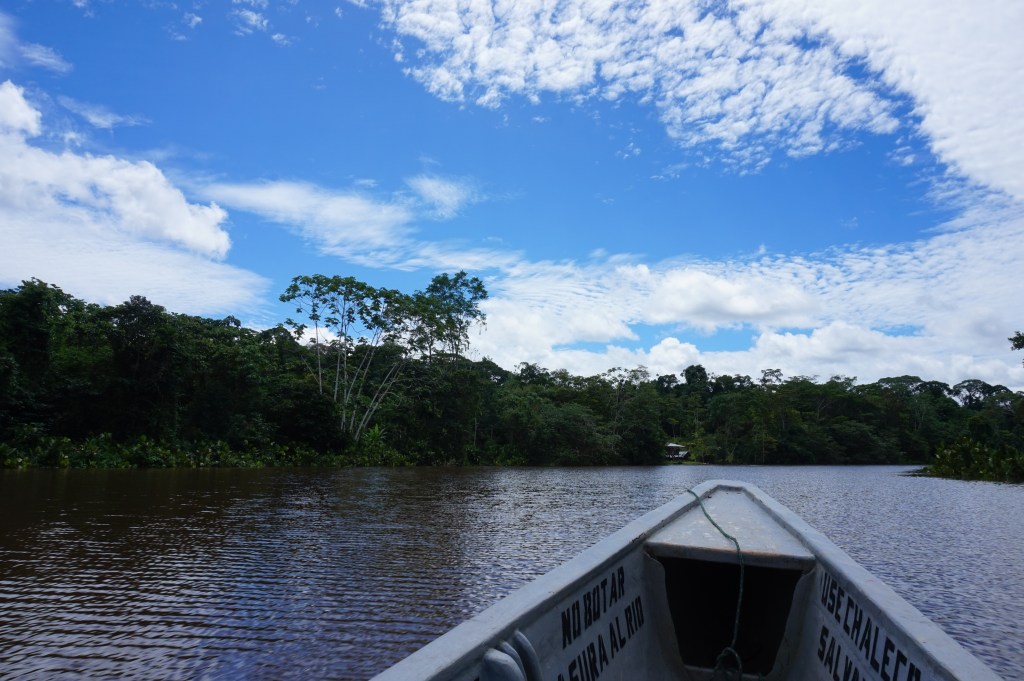
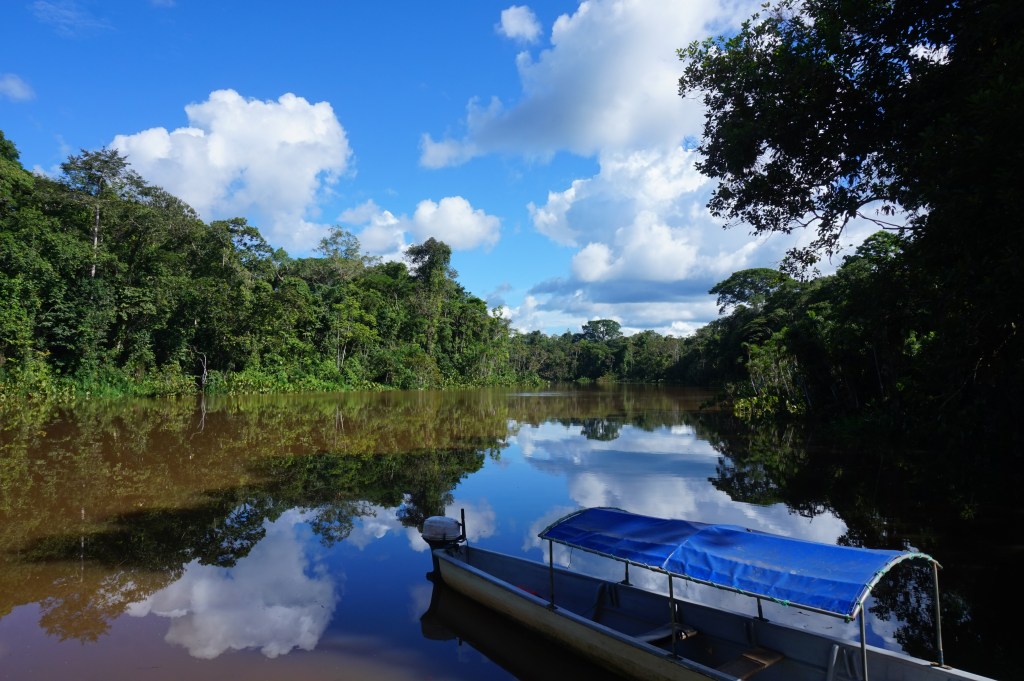
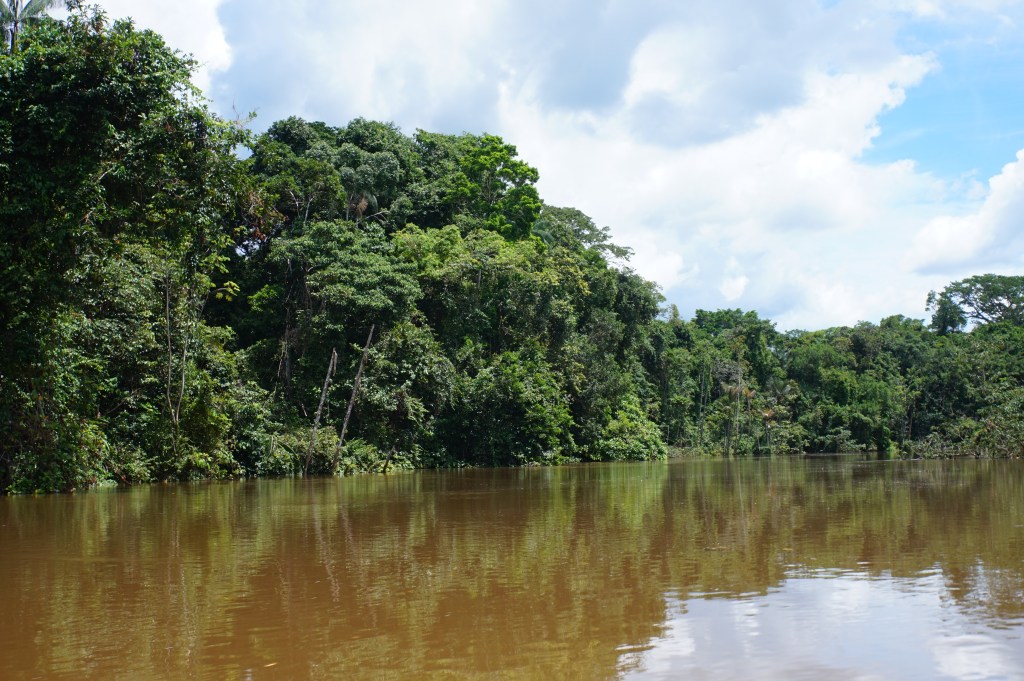
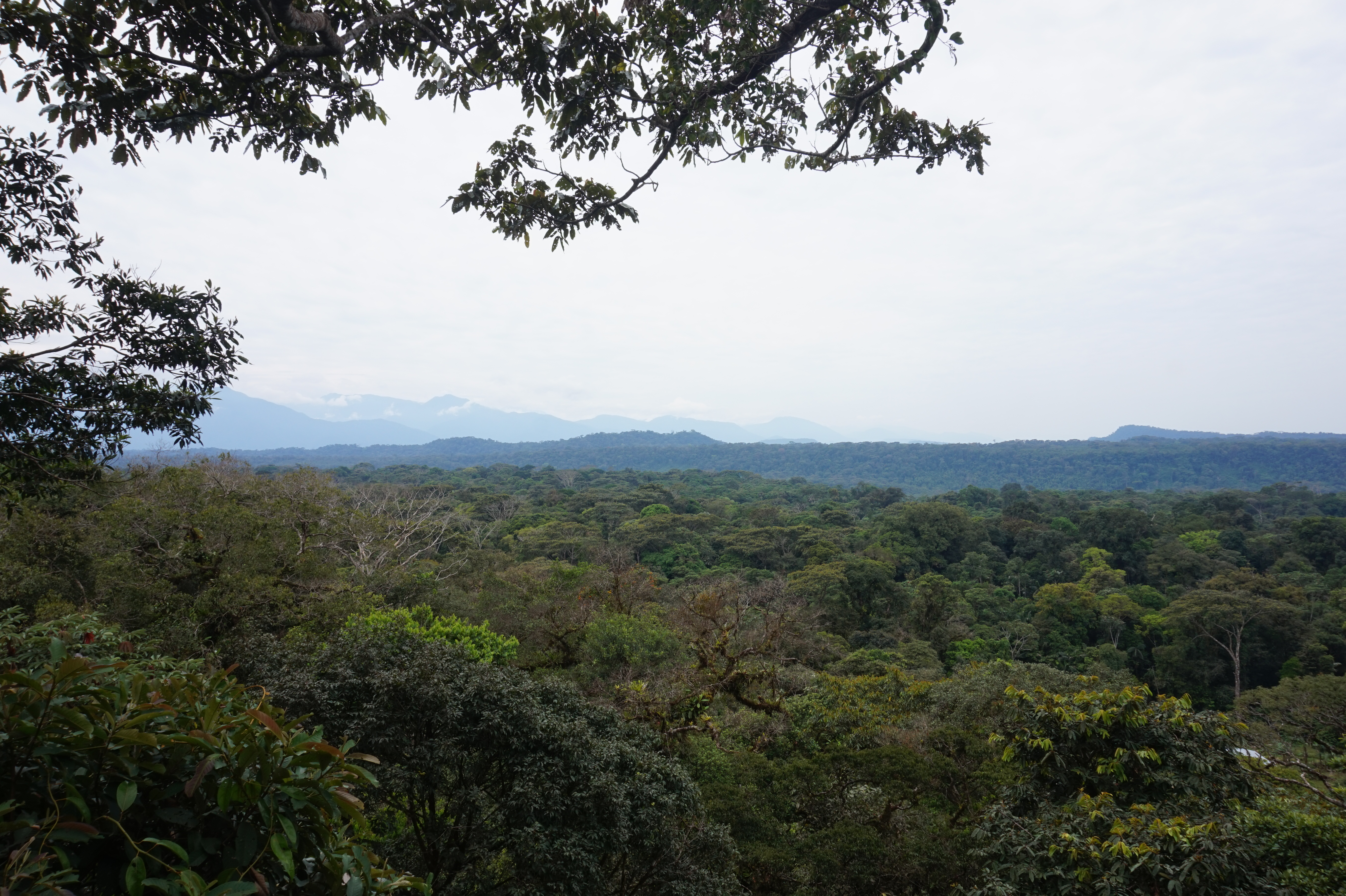
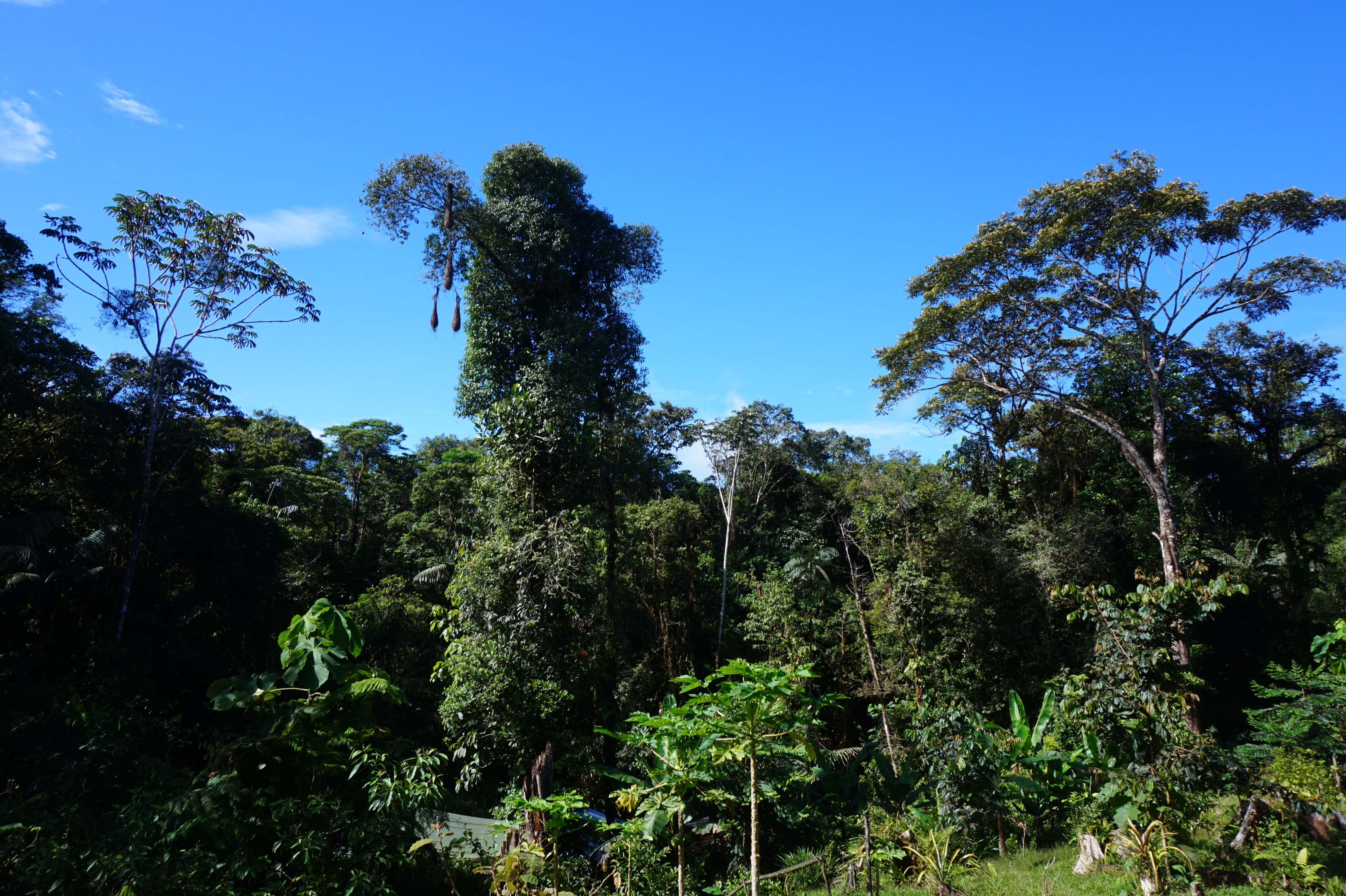
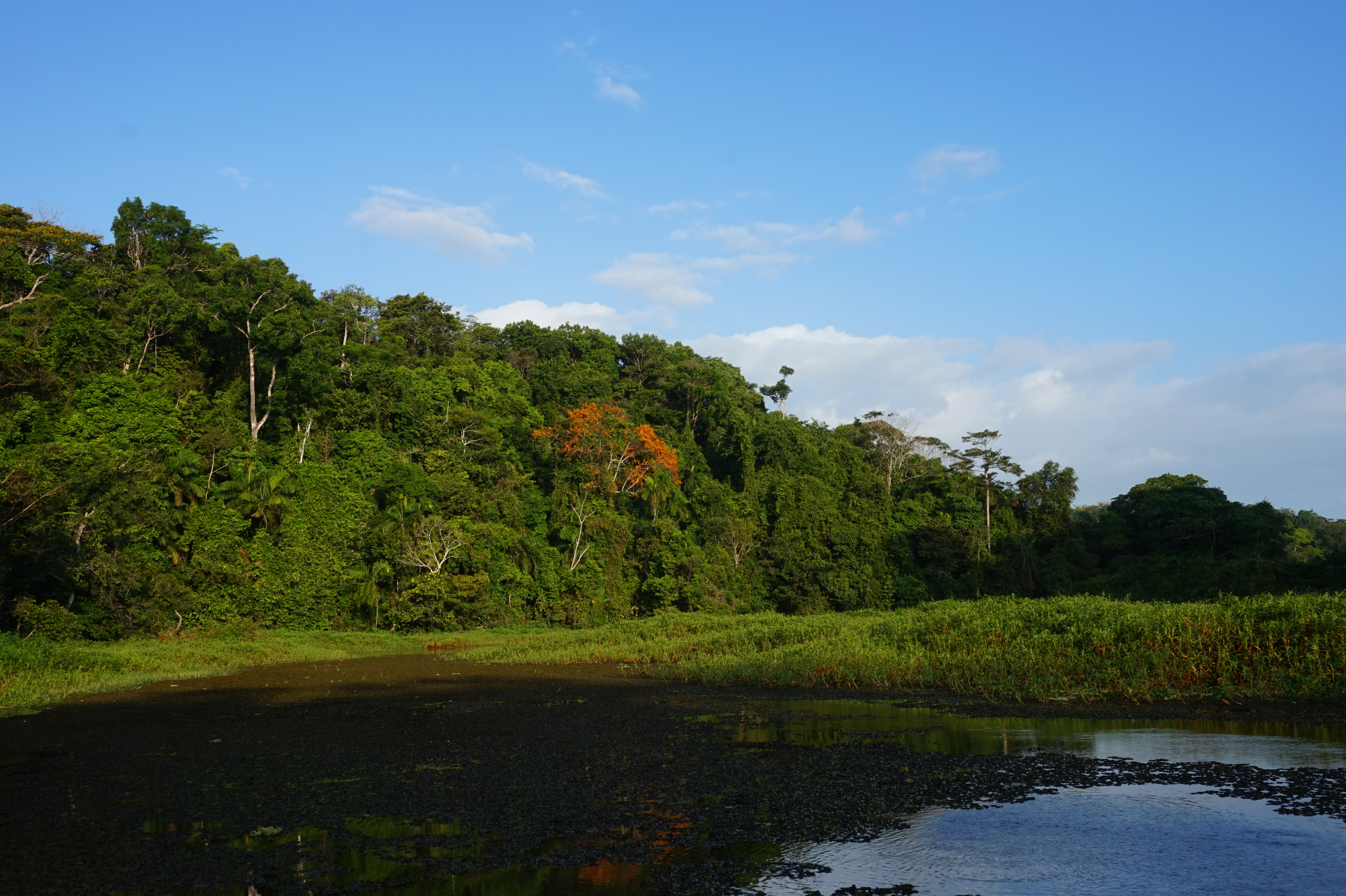
But with or without wildlife, the scenery is epic and is forever changing shape and form. The majority of the jungle river bank was made up of the Guarumo (Cecropia) tree which grows really quickly in the sandy sediment that is deposited on the sides of the river. Once it starts growing quickly, it gets all the sun and continues to grow without competition from other trees or plants. There are many islands too which have formed by the river depositing its sediment and it builds up and up until you have an island full of Guarumo trees. And where there are Guarumos growing out here, there are the Oropendola bird and their hanging basket nests. They don’t nest in the Guarumos but I always see them together in the same areas.

When the Oropendolas start to fly and sing in numbers, you know it is approaching time for sunset. This meant heading to the roof of the boat for the best view and the nice breeze. The sunset’s suns were really red here and made amazing colours throughout the clouds. Unfortunately at night time the clouds were too much and blocked out the stars on the majority of occasions. Also, with the humidity in the air, it meant that the stars were not going to grace us with their full glory. At least it meant that I could go to sleep on the other nights, not having the stars as an excuse to stay up.
We may have been unlucky with the stars but we were really fortunate with the day time weather. I think it rained sufficiently enough once that we had to put the plastic sheeting down to keep everything and everyone dry. This only lasted about an hour and for the rest of the time, it was more or less dry. Not only was it dry but it was also beautifully sunny and (sometimes a bit too) hot for the majority of the days. This sunshine made the jungle much more incredible to look at with the sun bringing out the vibrant colours and creating the contrasts with the sky much clearer and stronger. It obviously helps the photos look nicer too even though they are not a touch on how it looks in person.
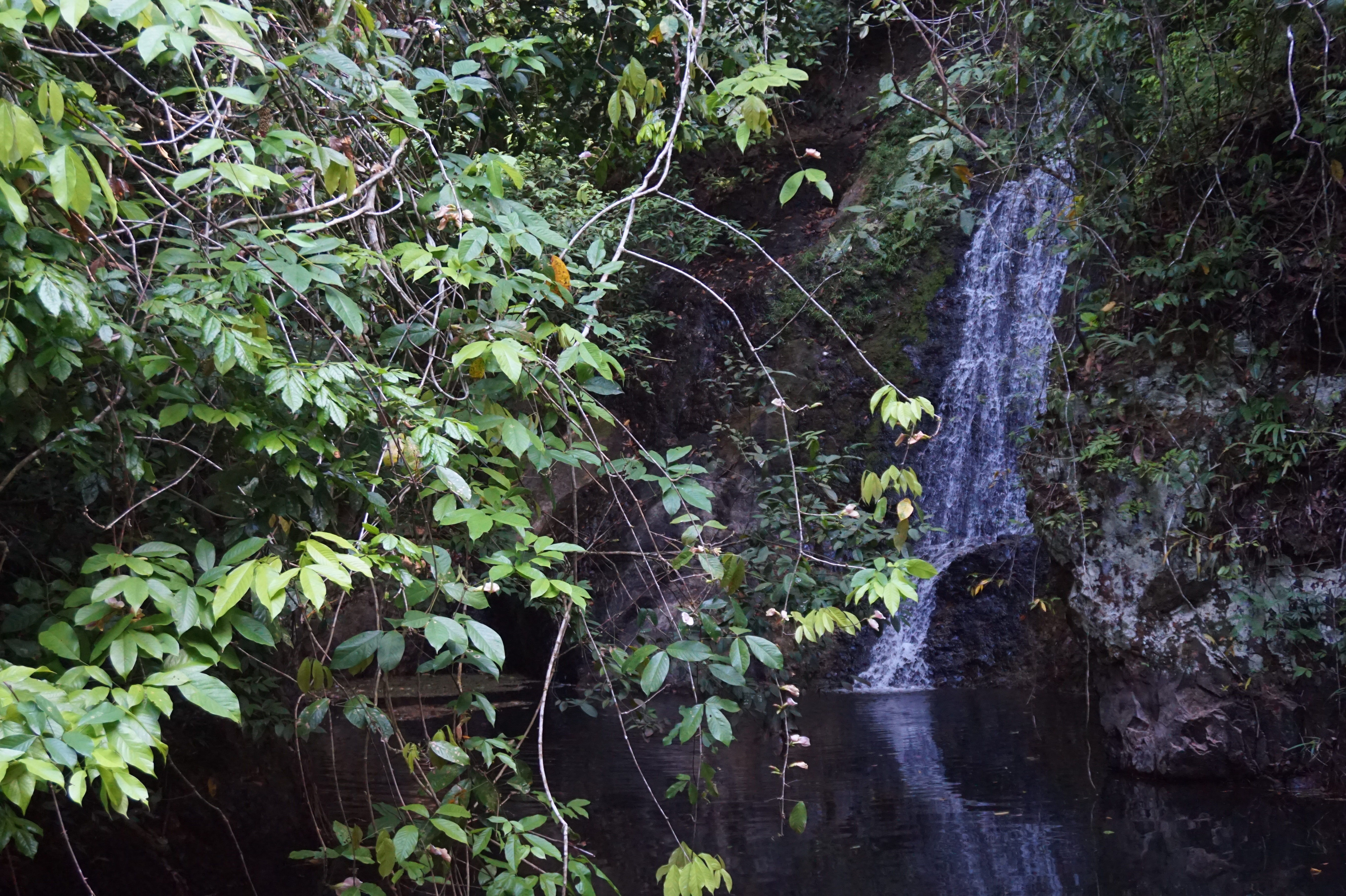
It’s hard to explain why it is so beautiful to look at. It is nature, pure nature, untouched by the human hand and unblemished at this moment in time. The closer and closer you get to Iquitos, the more you can see the influence humanity has had on the jungle. There are areas you see that are clearly areas of logging with cleared jungles and tree trunks piled up. There are areas with no tree and just piles of sawdust. The only other real boats you see on the river are boats transporting fuel or oils, or boats carrying the transport that transports the oil by road around the country. I also met a guy on our boat who was taking gold out of the jungle. His methods weren’t very environmentally conscious but they were effective. He would enter for 2 weeks and leave with US$8-10k worth of gold supposedly.
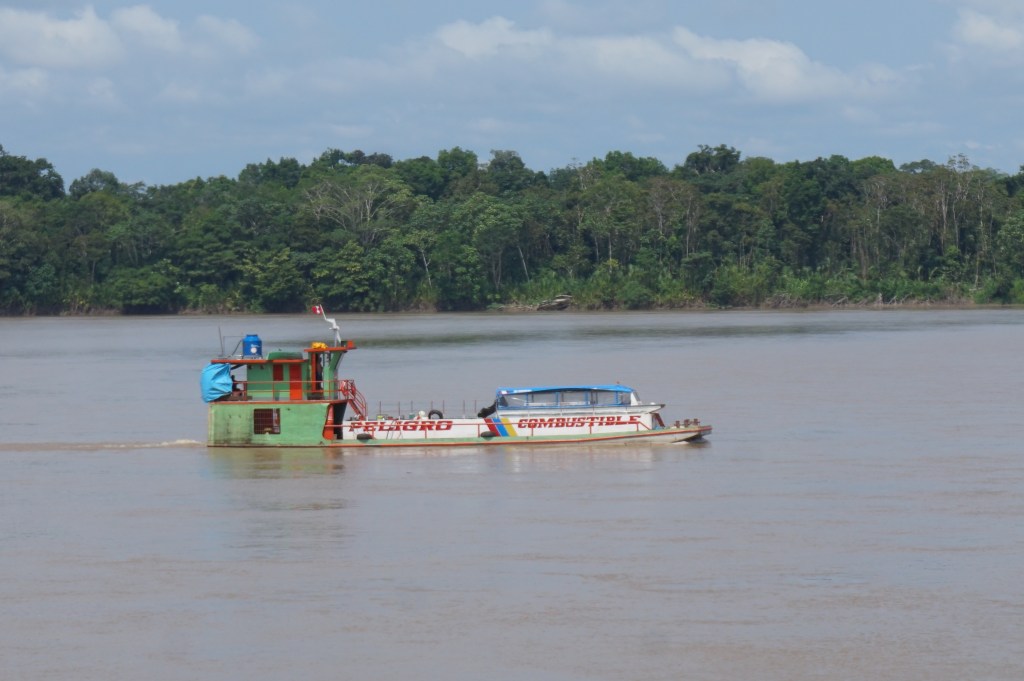
We dropped these guys off at Mazan which is just before the Amazon River if you are coming from Pantoja. We could have got off at Mazan, taken a moto-taxi to the Amazon, and got a quick boat to Iquitos. This would have saved us a day travelling but also would have lost us a day of this experience. The Italians were originally going to leave at Mazan but they changed their mind as the boat was so good. Once you reach the Amazon, you can turn left and head downstream past Colombia and then into Brazil, or turn right and head upstream further into Peru. We went upstream and made our way to Iquitos. The Italians would eventually go to Brazil but they needed to get the boat from Iquitos.
We arrived at Iquitos at around 4am and it was a complete shock to the system. I was sleeping when I felt the boat slowing down and when I went out on deck to take a look, there were lights to be seen for miles and miles. No more was the jungle river banks, empty of light and visible life. We were still in the jungle officially, it just didn’t seem like it at all with this huge city creating so much light. As we pulled into the dock, the moto-taxis started to come flying into the dockyard. I knew it was about to get hectic so the best option was to sit back relax and watch the show.
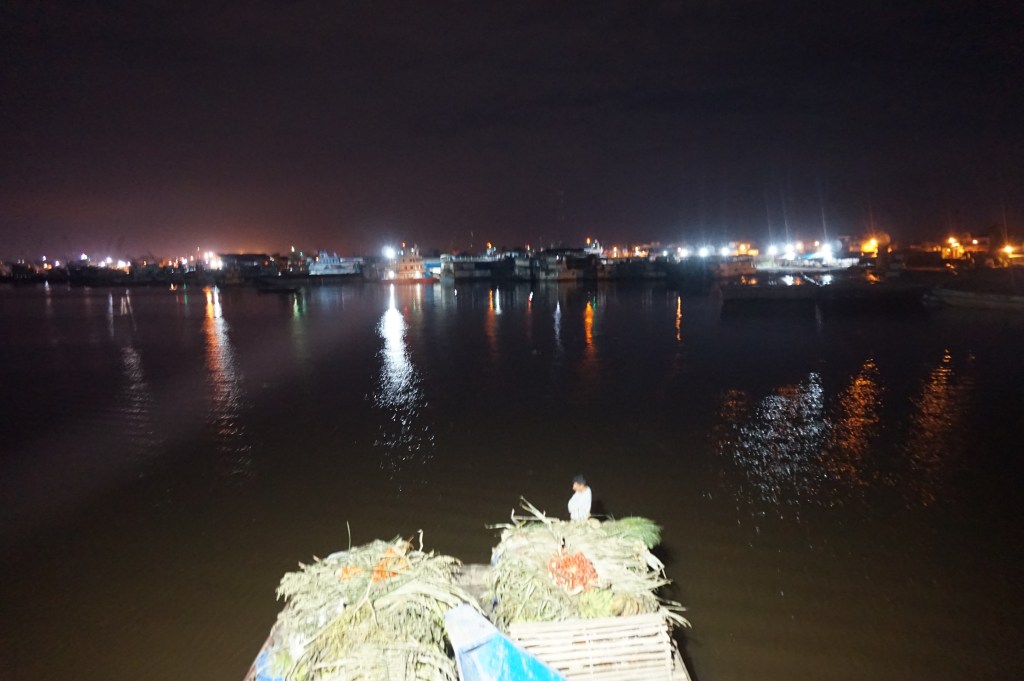
The captain slowly pulled the boat up towards the bank, a crowd of people ready, waiting, and jostling for position. With the boat not in the correct position for the captain’s liking, he pulled it away before arriving at the bank. Some people made a jump for it, trying to get onto the boat first. Time is money here and the window of opportunity to make money was opening soon. Finally docked, the flood of people swarm onto the boat, battling the people trying to get off the boat. There were taxi drivers coming aboard and taking people’s bags to make sure they take their taxis. They were forceful and were sometimes ripping bags from people’s hands to secure some trade.
Other taxi drivers were loading their taxis with plantains that were rushed to nearest market when they were probably sold within the next hour or so. There was one guy by himself running onto the boat, collecting 4 branches (and probably over 100kg) of plantains and running off the boat to an area where he dumped them. He repeated this again and again and again, getting sweatier and sweatier each time. Some of the plantains were going to their owners, like this beast of a man, but the majority were being sold to the various market vendors. This goes for the other varieties of fruit that had been purchased along the way too. It was all being sold.
All of the livestock was being re-weighed and sold per kg to the butchers who had also arrived in numbers and were battling for the best produce. Every part of the boat had some sort of frantic action going on and within 2-3 hours, the boat had been emptied of the produce we had spent the last 5 days collecting. And with the produce all gone, the area in front of the boat had become calm and completely empty apart from a few people guarding their piles of produce awaiting transport. As I said, time is money here and the sooner the stock leaves the boat and hits the markets, the more chance they have of selling it. The locals await the arrival of these boats so the chain of the boat to the market to the house (and probably to the stomach) happens within hours.

Having watched the last episode in this enthralling series, it was time to catch a little bit more shut-eye before leaving the boat. Only an hour of sleep was possible before the crew started cleaning around us, getting the boat back to respectable levels of cleanliness for a 20-year-old cargo ship. The crew would drink, party, play football, rest, and then come back tomorrow or the next day to start it all over again but in the opposite direction. We said our goodbyes before the crew left to their homes, grateful to have met these amazing group of hardworking, fun-loving folk. It was also time for us to leave with strange people watching us and our stuff. We had been warned about vagrants coming aboard to practice opportunistic crimes and prey on the less observant people.
Not knowing what our plans were, the four of us headed to the main area where we knew we could find hostels. One of the Italians knew of someone who lived in Iquitos and we had heard he would be able to give us a place to crash for the night. We checked a couple of hostel prices and it was extortionate so we waited around for the Italians friend. When he arrived, we took a short taxi to his place. It was a building that was under renovation but looked like it was falling apart in places. There was one mattress on the floor and it a couple of walls that had been painted with murals. Other than that it was an empty, abandoned-looking squat of a house. He wanted us to pay for the night and asked for a similar price to the hostels.
I was under the impression that he was doing us a favour because he was a friend but he was doing us a favour for the money. I didn’t want to pay to sleep on the floor and didn’t really want to pay the price we had seen for the hostels so I went about planning my escape. Maybe it was the change in environment but I didn’t like the vibe and feel I got from Iquitos. Having been floating through the nothing for the last 5 days, and knowing that I was still in the jungle, I think it was a shock to my system. It was a sensory overload but not in a good way. The noise of the taxis beeping their horns, the smell of a hot and humid city with poor sanitation, and the breathing of the heavy air all got too much for me.
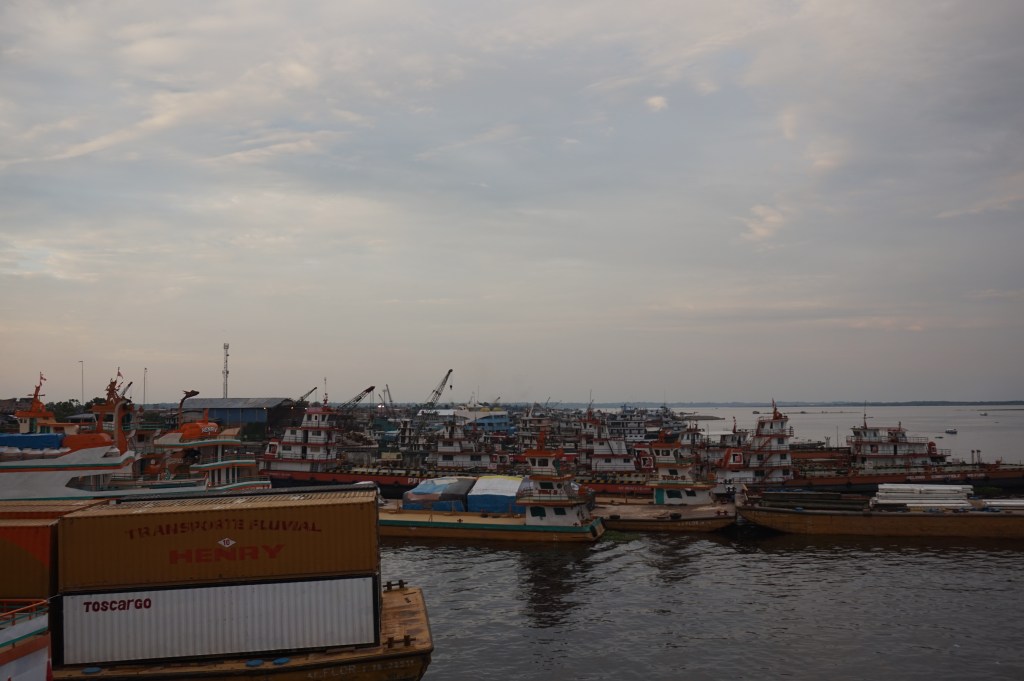
I went to the docks, of which there are a few, and had found myself a boat that was leaving that evening at 5pm. It was a much bigger boat and had its cargo already loaded. The price was a little more too but it was what it was and it was a boat to take me away from this hive of activity. I went back to the squat, said my goodbyes to the Italians, and returned to the boat with my gear. The Italians would leave the next day but in the opposite direction towards Colombia and then Brazil. I was heading into Peru in the direction of Pucallpa, a city that has road connections to Lima and therefore the rest of Peru. But for now, it was goodbye to Iquitos and hello to serenity and floating up the Amazon River and its tributaries.
I’m sure Iquitos is an amazing place and I definitely didn’t give it enough time to cast judgement. I would love to go back again and explore what it has to offer and spend a little more time there. But in this instance, it didn’t feel right and I always like to follow how I feel, and therefore I am always happy where I am.






 Going Feral